Song Meaning
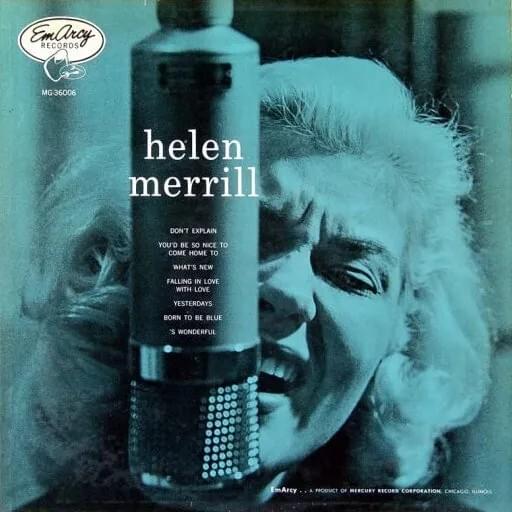
Helen Merrill's rendition of "Yesterdays" isn't just nostalgia; it's a sophisticated excavation of memory's complex relationship with the present. The song, built around the wistful repetition of "Yesterdays, yesterdays / Days with you," positions the past not as a simple, idyllic escape, but as a potent force that actively shapes our current emotional state. Merrill's interpretation, especially given her stylistic leanings, invites us to consider the psychological weight of idealized recollection. It subtly probes at how we construct narratives of our past to either cope with or perhaps even avoid the realities of the present.
The lyrics themselves offer a study in contrasts. Phrases like "happy, sweet sequester days" and "golden days" paint a picture of blissful isolation, a self-contained world of romance. Yet, the subsequent refrain, "Sad am I? Glad am I? / For today, I'm dreaming of yesterdays," injects a crucial ambiguity. Is this a celebration of a cherished past, or a lament for a joy that's irrevocably gone? The tension between these emotions is where the song's true power lies. It mirrors the way memory often functions: a bittersweet cocktail of longing and gratitude.
Ultimately, "Yesterdays" becomes a meditation on time, loss, and the enduring power of the human heart to both romanticize and reconcile with the past. Merrill’s performance, imbued with her signature smoky vulnerability, amplifies this emotional complexity. It subtly suggests that the act of remembering isn't passive; it's an active negotiation with our present selves, a way of making sense of who we are now in light of who we once were. The song’s meaning transcends mere sentimentality, becoming a poignant reflection on the ongoing dialogue between then and now.
 View Artist