Song Meaning
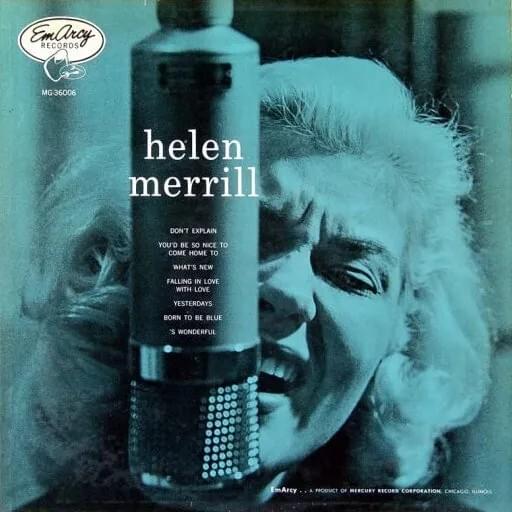
Helen Merrill's rendition of "What's New" isn't just a casual inquiry; it's a masterclass in repressed longing, a poignant study in the art of the carefully constructed facade. The song's deceptively simple question, "What's new?" acts as both an icebreaker and a shield, masking a tidal wave of unresolved emotions. The speaker feigns polite interest in the life of a former lover, all while battling the agonizing truth of her enduring feelings. The surface-level pleasantries serve as a fragile dam against the flood of unspoken words. The brilliance of Merrill's interpretation lies in the tension between the socially acceptable dialogue and the raw vulnerability simmering beneath. She understands the painful dance of maintaining composure while desperately clinging to the hope that maybe, just maybe, the object of her affection feels something too.
The repetition of "What's new?" becomes almost obsessive, a mantra designed to keep her own unraveling at bay. Each time she utters the phrase, it's laden with the unspoken plea: "Tell me something that will make me believe this isn't a complete waste of my heart." The acknowledgment that she's "probably boring you" is a heartbreaking moment of self-awareness, a recognition that her continued affection is likely unwelcome, perhaps even a burden. Yet, she persists, driven by the irrational hope that a flicker of recognition, a shared memory, might bridge the chasm that has formed between them.
The final lines, "Of course you couldn't know, I haven't changed, I still love you so," deliver the crushing blow. It's a whispered confession, almost an aside, revealing the chasm between her carefully constructed persona and her inner reality. The listener is left with the devastating understanding that the speaker is trapped in a cycle of unrequited love, forever destined to play the role of the polite acquaintance, concealing the depth of her unchanging affection. "What's New," in Merrill's hands, becomes an anthem for the lovelorn, a stark reminder of the enduring power of the past and the painful reality of unspoken feelings.
 View Artist