Song Meaning
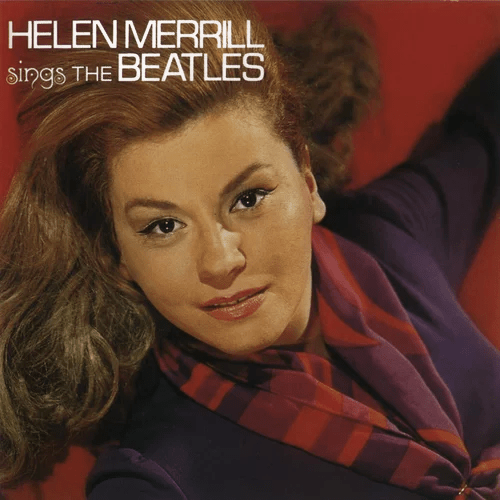
{"song_id": 15073164, "meaning": "Helen Merrill's rendition of \"If I Fell\" isn't just a ballad; it's a psychological tightrope walk. The song's core isn't the *possibility* of new love, but the speaker's deeply ingrained fear of repeating past heartbreak. The opening lines, \"If I fell in love with you, would you promise to be true / And help me understand?\" immediately establish a vulnerability laced with suspicion. It’s a preemptive defense, a guarded invitation extended only with the assurance of emotional safety. This isn't naive hope; it's a carefully calculated risk assessment. The phrase \"love was more / Than just holding hands\" hints at a previous relationship that lacked depth, leaving the speaker emotionally exposed.
The specter of a prior relationship looms large, casting a shadow over the potential for new love. The repeated plea, \"That you would love me more than her,\" reveals a profound insecurity and a desperate need for validation. This isn’t merely about being loved; it’s about being *chosen*, about surpassing a predecessor in the affections of the beloved. The lyrics suggest a competitive dynamic, where the speaker's worth is measured against a past relationship. The line \"If I love you too, oh please don't hurt my pride like her\" lays bare the core wound: a previous betrayal that shattered the speaker's self-esteem.
Ultimately, \"If I Fell\" transcends a simple love song. It's a raw exploration of trust, fear, and the lingering scars of past relationships. The repeated lines about not being able to stand the pain and the sadness of a love in vain drive home the song's central theme: the desperate need to protect oneself from further emotional damage. The seemingly contradictory desire to love, coupled with the fear of vulnerability, creates a tension that defines the song's emotional landscape. The final lines about the other woman crying when she learns \"we are two\" is perhaps the most psychologically revealing, a complex blend of vindication, insecurity, and the lingering pain of past hurt."}
 View Artist