Song Meaning
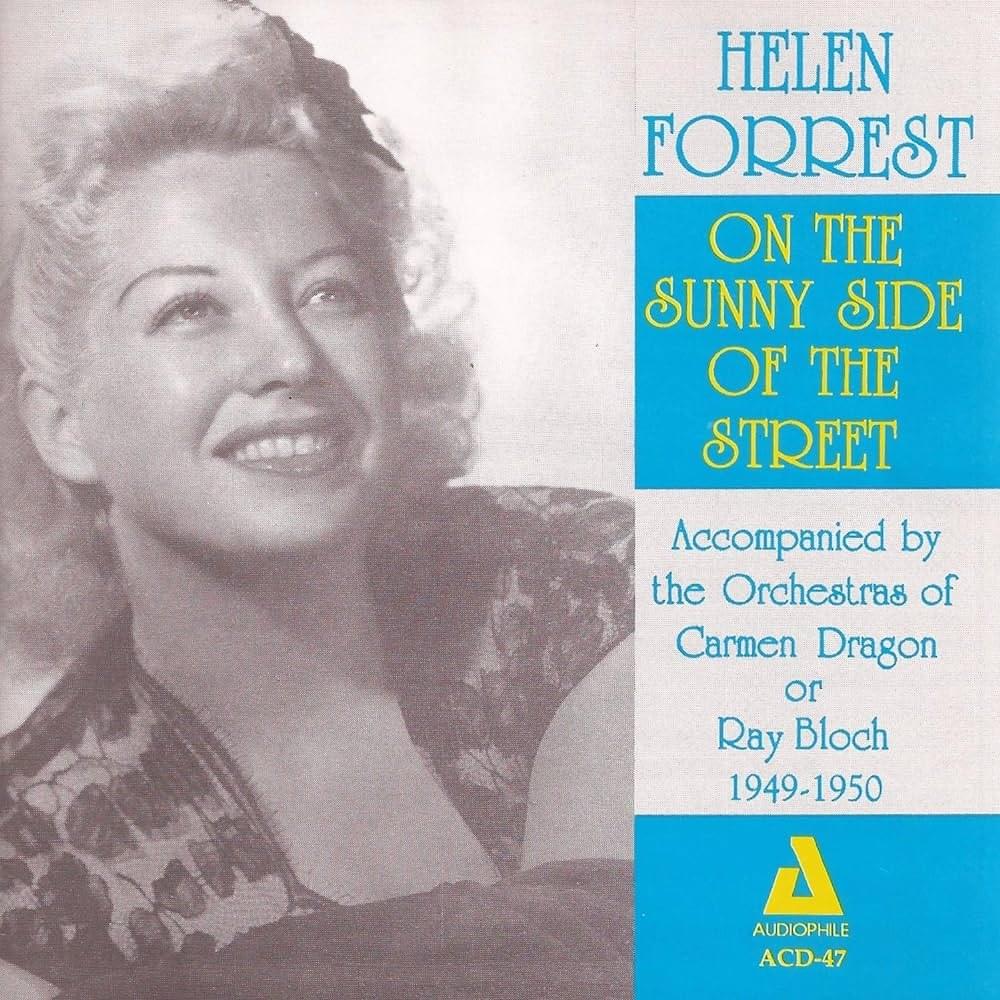
Helen Forrest's rendition of "That's My Desire" paints a portrait of longing so vivid, it's practically tactile. More than just a simple love song, it's a yearning for a return to a specific, cherished moment in time. The lyrics drip with nostalgia, focusing on recreating a perfect past encounter: a night at a dimly lit cafe, gypsies playing music, dancing until dawn. The desire isn't merely for the person, but for the entire sensory experience—the wine, the gaze, the touch, the whispered words. This creates a sense of almost desperate romanticism, a craving for a lost idyll. The repeated phrase "that's my desire" acts as both a simple statement and a mantra, a driving force behind the singer's emotional state. It's not just a wish, it's a need.
The song's power lies in its specificity. The "old rendezvous," the "dim cafe," these aren't generic romantic settings; they're carefully chosen details that amplify the sense of personal history and shared intimacy. The imagined setting allows the singer to relive a cherished memory, and perhaps more importantly, to control it. The desire to "reminisce" suggests that the present is somehow lacking, prompting a retreat into a romanticized version of the past. The wine, the dancing, the physical closeness -- all serve as ways to recapture a feeling that is absent from current reality. The inclusion of the french term of endearment, cherie, deepens the personal connection between the singer and her love, and also hints that there is a past, something they share that is unique to only them.
Ultimately, "That's My Desire" becomes a study in the psychology of longing. It explores how memory and desire intertwine, creating a potent emotional cocktail. The listener is invited to not only witness, but also to vicariously experience the singer's yearning for a simpler, more romantic time. The song resonates because it taps into a universal human experience: the desire to recapture a fleeting moment of happiness, to hold onto something precious that seems to be slipping away. The song serves as a powerful reminder of the past's enduring influence on our present desires and our emotional well-being.
 View Artist