Song Meaning
Helen Forrest's rendition of "I Keep Telling My Heart" is a masterclass in the architecture of self-deception, a delicate dance between hope and delusion. The song's core revolves around the narrator's active effort to convince her own heart – the symbolic seat of emotion – of a reciprocal love that may or may not exist. It's not merely *feeling* love, but a proactive *declaration* to the self: "I keep telling my heart / That you love me too." This repetition underscores the fragility of her conviction. The heart, in this context, becomes a co-conspirator, an entity that needs constant reassurance to maintain the illusion. The lyrics reveal a yearning so profound that it necessitates a daily, almost ritualistic, affirmation. The intensity of her feelings is translated into the physical: "For it beats so madly when you come in sight."
The psychological complexity deepens as the song progresses. The narrator isn't passively waiting; she's actively "watching my heart / For some hopeful sign." This observation suggests an awareness of the heart's potential for betrayal, a fear that it might reveal the truth of unrequited affection. The reliance on dreams as a temporary refuge further illustrates the precarious nature of her emotional state. Dreams, after all, are projections of desire, a space where the impossible becomes temporarily real. The repetition of "That dreams come true" isn't a statement of faith, but a desperate attempt to manifest reality through sheer force of will.
Ultimately, "I Keep Telling My Heart" is a poignant exploration of the human capacity for self-soothing and the lengths to which we'll go to protect ourselves from heartbreak. Helen Forrest delivers the lyrics with a certain vulnerability, adding an extra layer of pathos. It's a reminder that the stories we tell ourselves are often more powerful than the truth, especially when love is on the line. The song's quiet desperation resonates because it taps into a universal desire to believe in the possibility of love, even when evidence suggests otherwise. It's a bittersweet testament to the power – and the peril – of a hopeful heart.
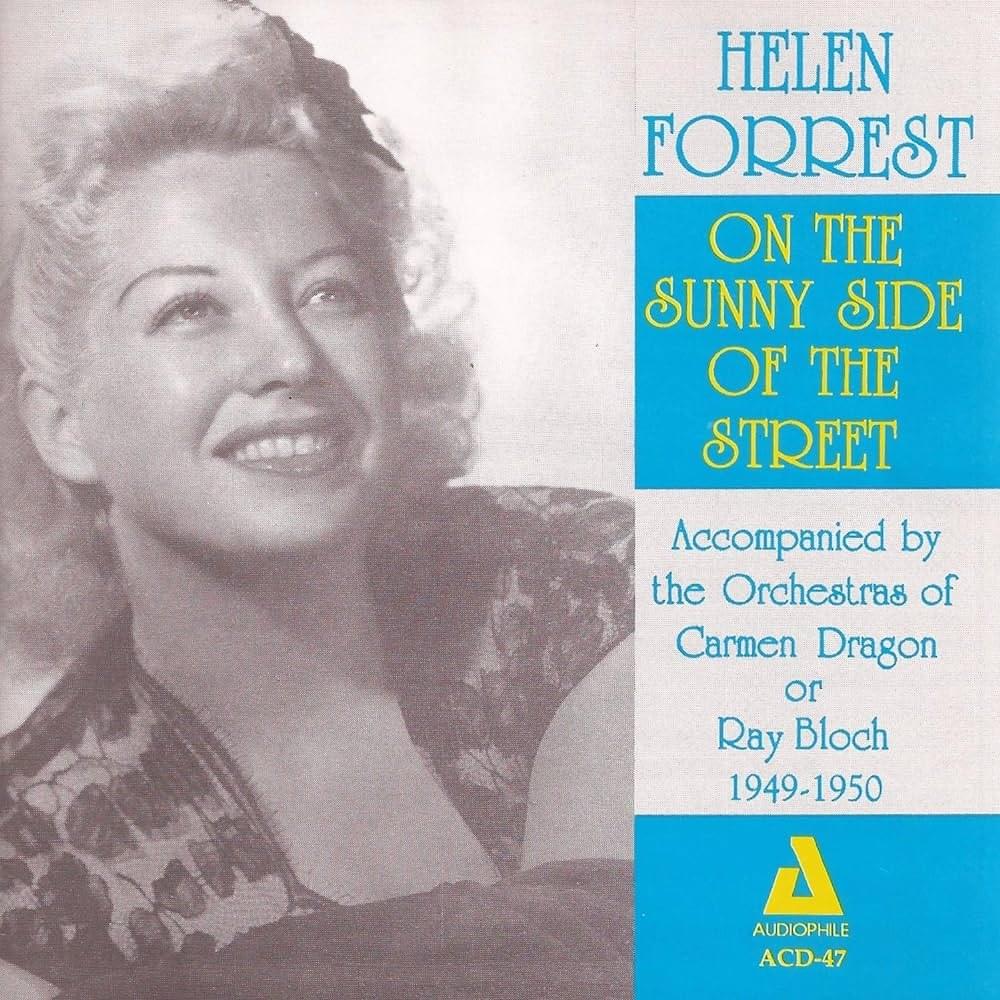
 View Artist