Song Meaning
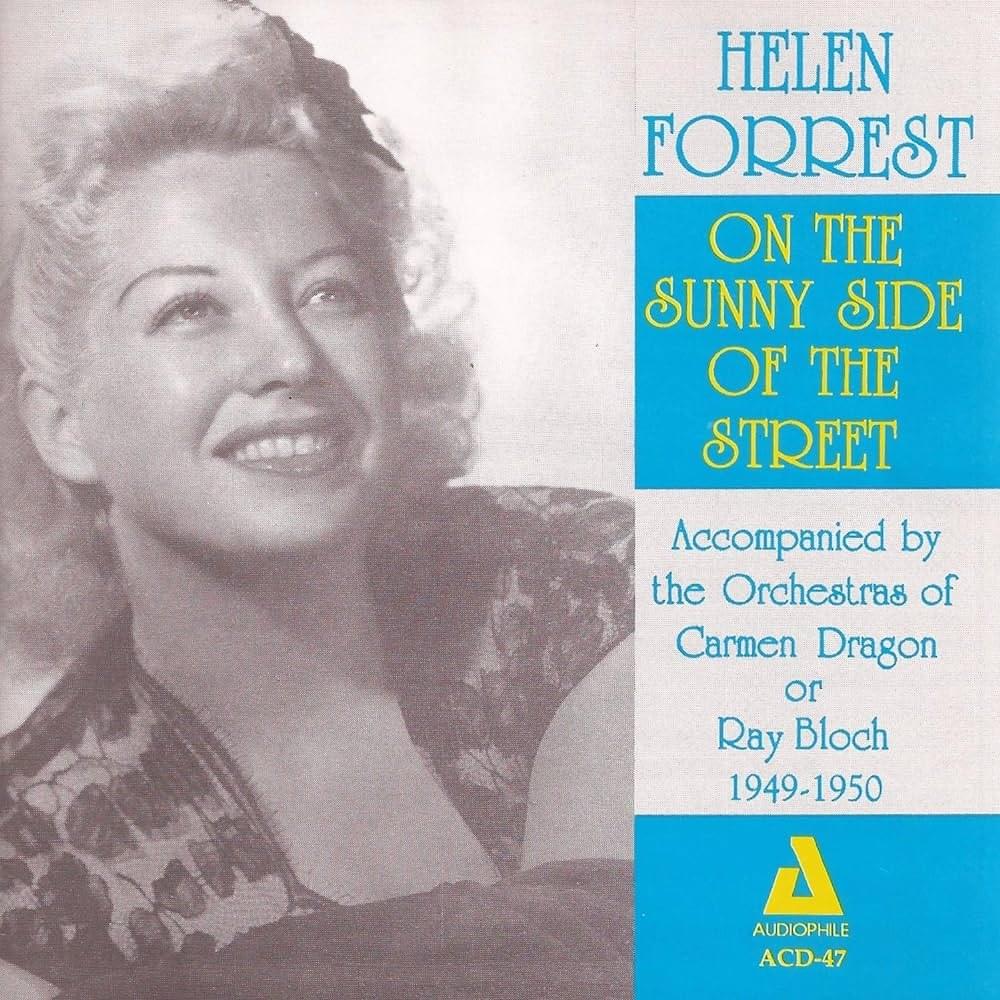
Helen Forrest's rendition of "Ain't Misbehavin'" isn't just a quaint tune from a bygone era; it's a study in the psychology of devotion, filtered through the lens of 1920s societal expectations. The surface narrative is simple: a declaration of fidelity, a promise to remain chaste and virtuous in the absence of the beloved. But dig deeper, and the song reveals a fascinating tension between genuine longing and the performance of virtuousness. The repeated refrain, "Ain't misbehavin', I'm savin' my love for you," acts almost as a mantra, a way of reinforcing not just the commitment, but also the speaker's self-image as a paragon of patience and restraint.
The lyrics paint a picture of self-imposed isolation: "No one to talk with, all by myself, no one to walk with." Yet, this solitude isn't presented as a source of misery, but rather as a conscious choice, even a point of pride. The line, "But I'm happy on the shelf," hints at a deliberate withdrawal from the social whirl, a rejection of temptation in favor of unwavering dedication. The reference to "Jack Horner in the corner" is particularly telling. Horner, content in his small, confined space, becomes a symbol for the speaker's own chosen confinement, suggesting a certain comfort in being alone with her thoughts and anticipation.
Ultimately, "Ain't Misbehavin'" functions as both a love song and a subtle commentary on the societal pressures placed on women during that time. While ostensibly about saving love for a specific person, the lyrics also speak to saving oneself from social disapproval. The "misbehavin'" that the speaker so adamantly avoids could encompass anything from casual flirtation to outright scandal. Helen Forrest delivers the song with a delicate balance of sincerity and knowingness, leaving the listener to ponder whether this is a tale of pure, unadulterated love, or a carefully constructed performance of virtue designed to navigate a world of restrictive social norms. The song meaning lies in this intricate dance between genuine emotion and societal expectation.
 View Artist