Song Meaning
The narrator starts with a defiant vow to live well without their former partner, a promise made like a "spell." Yet, this resolve quickly crumbles under the weight of the ex's easy ability to forget and return, erasing the pain. The lyrics reveal a desperate cycle: the narrator's entire emotional landscape, both joy and sorrow, is inextricably tied to this person, even though the ex owes them nothing. This leads to a painful existence of "loving alone" and "hating alone."
The central tension lies in the narrator's desperate need to believe their ex is truly fine without them, a hope they "want to believe." This desire clashes with the overwhelming evidence of their own continued suffering. The imagery of the "ground wet with rain all night" that "twinkles as if it knows where you are" powerfully conveys this. It suggests that even the natural world reflects the ex's presence and the narrator's longing, making it impossible to escape the feeling that the ex is somehow still connected, even if only in the narrator's perception.
The craft here is in the persistent, almost obsessive questioning of the ex's well-being, framed as the narrator's own. The repeated phrase "내가 없이" (without me) functions as a desperate plea and a constant reminder of the void left behind. The narrator grapples with the impossibility of moving on, comparing the ex to "stars, wind, clock hands" – things inherently out of reach. The lyrics suggest a profound dependence, where even attempts to forget through alcohol fail, as memories "speak to me just like yesterday."
This writing hits hard because it lays bare the raw, messy aftermath of a relationship where one person remains deeply entangled. The narrator isn't just sad; they're caught in a loop of self-deception and painful longing, projecting their own inability to move on onto the ex. The final shift from the ground twinkling to the window "tearing up" (글썽이지) as if crying, offers a poignant, almost personified image of the narrator's own sorrow, mirroring the ex's supposed indifference with their own overwhelming grief.
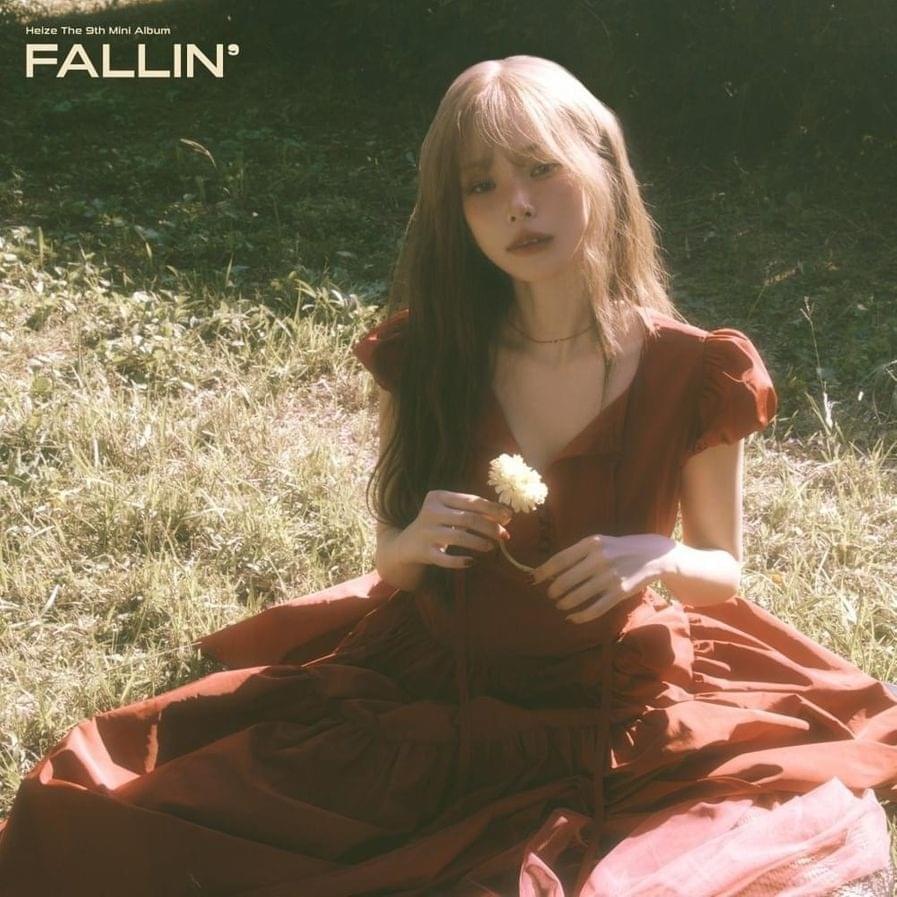
 View Artist