Song Meaning
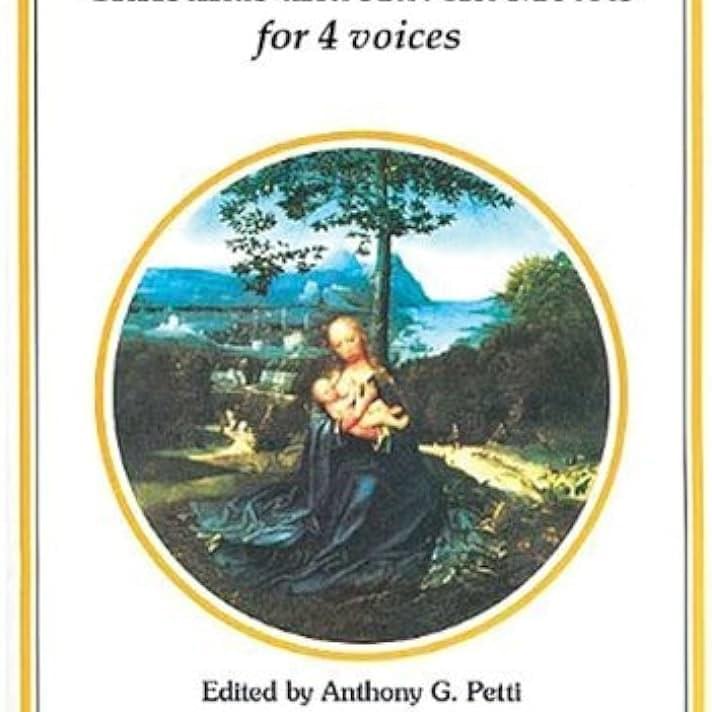
These Latin phrases, familiar from Catholic prayer, immediately establish a tone of reverence and blessing. The direct address, "Dominus tecum" (the Lord is with you), and the acclamation "Benedicta tu in mulieribus" (Blessed are you among women) point to a sacred context, likely invoking the Virgin Mary. The final line, "Et benedictus fructus ventris tui" (And blessed is the fruit of your womb), solidifies this connection, referencing the divine child. The lyrics present a moment of profound, almost ritualistic, veneration.
The core emotional weight rests on the concept of blessedness, applied both to the individual addressed and her offspring. It’s a declaration of inherent grace and divine favor, creating an atmosphere of spiritual awe. The repetition of "benedictus" (blessed) underscores the pervasive nature of this divine gift.
The power here lies in the direct, almost incantatory use of established religious language. It’s not descriptive but declarative, functioning as a sacred invocation. The choice to use Latin, a language often associated with tradition and solemnity, amplifies the sense of timeless devotion.
This lyrical passage resonates through its confident assertion of divine grace. It bypasses narrative to deliver a pure, concentrated expression of spiritual exaltation. The listener is placed within a tradition of veneration, experiencing the weight of ancient blessings.
 View Artist