Song Meaning
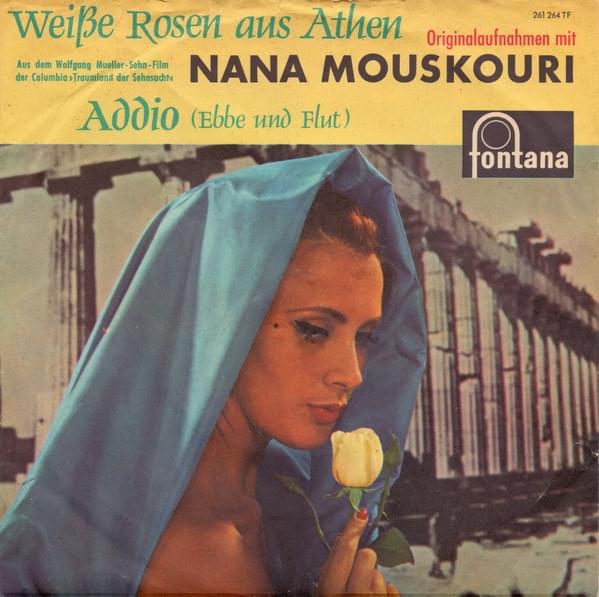
The lyrics paint a poignant picture of departure, centered around the symbolic gift of "white roses from Athens." The immediate scene is one of farewell, as a ship sets sail, carrying someone away from home. The dominant emotional tone is bittersweet; there's an acknowledgment of the inevitable parting, but also a hopeful sentiment embedded in the roses themselves, which are meant to convey a message of return. The repetition of "Auf Wiedersehn" (goodbye) underscores the finality of the present moment, while the roses' implied message, "komm recht bald wieder" (come back soon), offers a glimmer of hope.
The central tension lies between the physical act of leaving and the emotional tether that remains. The narrator acknowledges the vastness of the journey, describing the ship sailing "out with wind and waves" into "the wide, wide distance." This physical separation is contrasted with the "greetings from home" carried by the roses, suggesting that even far away, a connection to the homeland persists. The lyrics hint at the loneliness of the destination, a "distant land where no one waits for you," emphasizing the importance of these familiar tokens.
The most striking craft element is the personification of the "white roses from Athens." These flowers aren't just a gift; they are active messengers, carrying greetings and speaking words of farewell and return. They bloom "on board" and "for you alone so beautifully," extending their presence even across the sea. This imagery transforms a simple floral arrangement into a tangible embodiment of longing and connection, bridging the physical and emotional gap between the departing traveler and their home.
Ultimately, the effectiveness of these lyrics stems from their simple yet powerful evocation of a universal experience: saying goodbye to someone dear. The "white roses from Athens" serve as a concrete, sensory detail that anchors the abstract emotions of separation and hope. The gentle repetition and the clear, direct language create a feeling of tender melancholy, making the act of departure feel both deeply personal and profoundly resonant.
 View Artist