Song Meaning
The lyrics invite a weary traveler to seek refuge from a harsh, dangerous night. The storm outside, the lurking hunter, and the encroaching darkness of "Vale Oude" create a palpable sense of threat. This sanctuary, however, is not just a place of safety but a communal hearth, symbolized by the "drankgelag" – a gathering for drinking and revelry. It's a temporary haven where anxieties are set aside.
The central tension lies between the external peril and the internal comfort offered by the gathering. While the wind howls and the forest groans, the traveler's heart is free from worry. This contrast is amplified by the imagery of the wild being roasted and the best beer being poured, suggesting a feast that distracts from the harsh realities outside. The lyrics emphasize this duality: the world outside is a place of "ijzige kou" and impending pursuit, while inside, "vuren verwarmen en liederen weergalmen."
The craft of the lyrics effectively uses repetition and contrasting imagery to build this atmosphere. The recurring phrase "Woest waait de wind" (Wild blows the wind) serves as a constant reminder of the external threat, even during moments of supposed peace. The shift from the active, dangerous night to the peaceful morning, where "de rust is weergekeerd," marks the resolution of the immediate conflict. The invitation to "Ontwaak oh reiziger" signals the end of this temporary respite and the return to the journey.
What makes these lyrics resonate is their depiction of a universal human need for sanctuary and communal warmth in the face of adversity. The specific details of the feast and the songs create a vivid picture of this refuge, making the contrast with the external dangers all the more potent. The lyrics offer a clear arc: escape, communal solace, and eventual renewal for the journey ahead, all grounded in the simple, powerful imagery of a firelit hall against a stormy night.
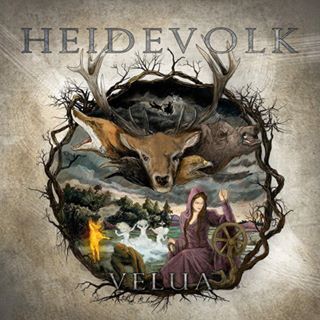
 View Artist