Song Meaning
The narrator is caught in a state of yearning, a persistent ache for a specific kind of love. The opening lines establish a sense of active searching, a quest for someone or something that feels just out of reach. This isn't a casual wish; it's a deep-seated conviction, a "feeling" that points toward a singular, "true" love as the ultimate fulfillment. The repetition of "Baby, what can I do?" underscores a feeling of helplessness, a passive waiting that contrasts with the active search.
The core tension lies between the narrator's passive observation of the world and their intense internal desire. They "watch the world pass by" and "let the days go by," suggesting a life on pause, waiting for this elusive connection to materialize. This stillness amplifies the urgency of the "feeling" that only a "love that's true" can break this stasis and make things right. The desire isn't just for companionship, but for a specific, authentic bond that feels like the missing piece.
The most striking aspect of the lyrics is the persistent, almost mantra-like repetition of the central idea: "I've got a feeling all I need is a love that's true." This isn't just a refrain; it’s the engine of the song, driving home the narrator's singular focus. The phrase "all I need" elevates this desire from a preference to a fundamental requirement for their well-being. The repetition, especially at the end, hammers home the unwavering certainty of this feeling, leaving no room for doubt about the narrator's deepest longing.
This lyrical construction creates an emotional resonance through its sheer, unadorned sincerity. The simplicity of the language, combined with the insistent repetition, mirrors the way a singular, powerful feeling can consume one's thoughts. It’s effective because it captures that universal human experience of waiting for *the one*, that gut-level certainty that a specific connection holds the key to happiness and completion.
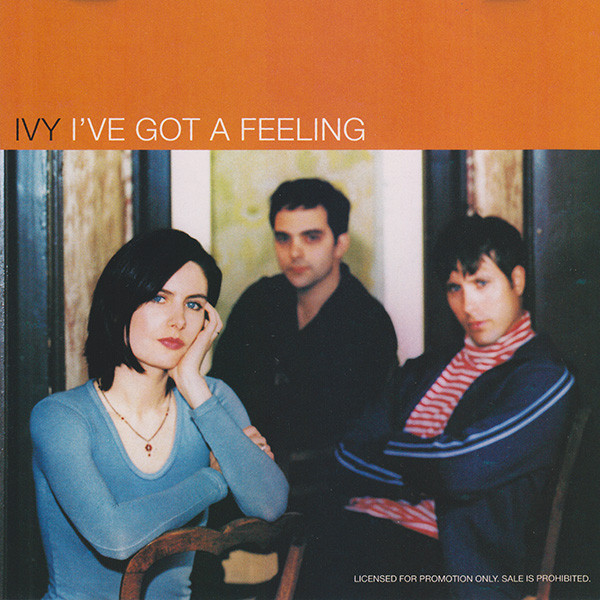
 View Artist