Song Meaning
Heather Nova's "Your Words" isn't simply a love song; it's a stark examination of the profound power language holds over the human psyche. The well-worn adage about sticks and stones gets a potent update here, suggesting that while physical pain is finite, the impact of carefully chosen (or carelessly flung) words can be both redemptive and devastating. Nova isn't just singing about affection; she's dissecting the way another person's voice can become inextricably linked to one's own sense of self-worth. The repeated line, "I keep every word you said," highlights an almost obsessive need for external validation, painting a portrait of someone who finds their identity mirrored in the pronouncements of another. The lyrics become a garden, with "wildflowers growing up around my bed" -- a beautiful, yet slightly claustrophobic image of words taking root and blossoming in the narrator's mind.
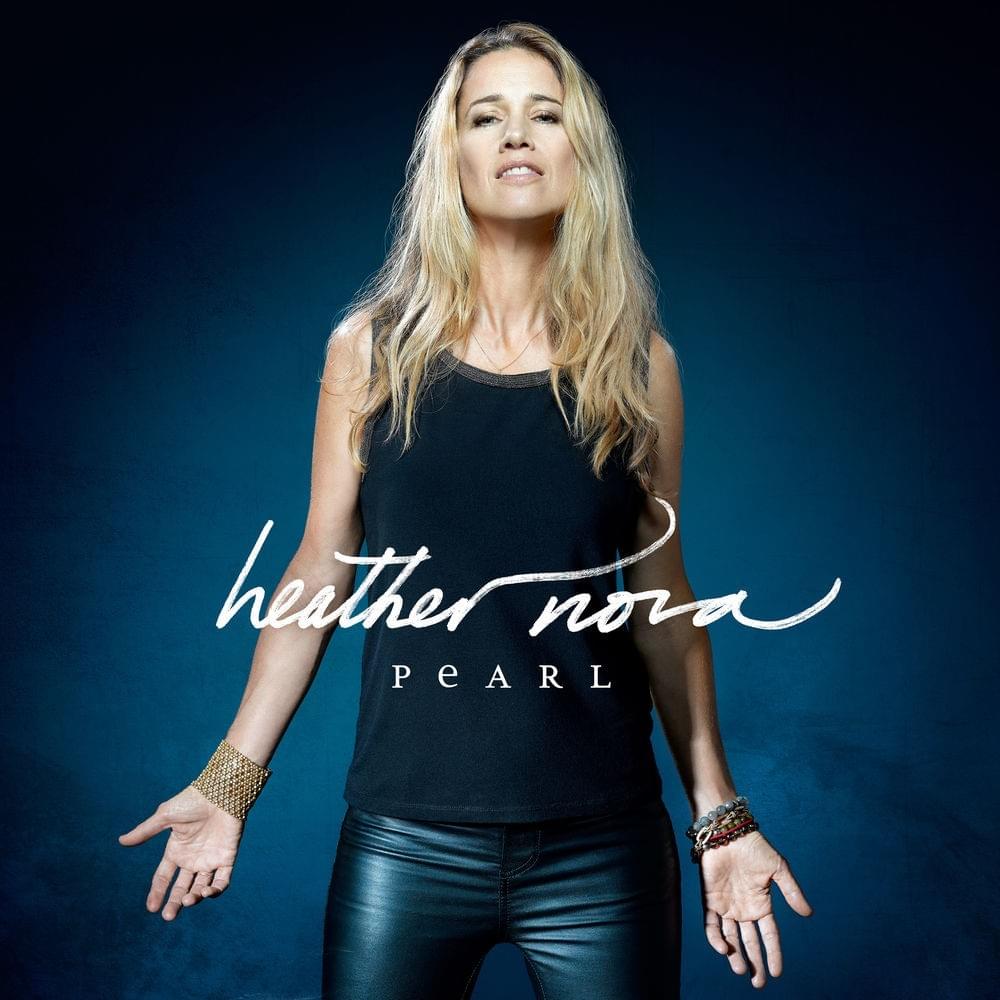
The dependence on "your words" extends beyond mere comfort; it's presented as a vital need: "I don't want to live without you." This isn't simply a romantic declaration; it borders on an existential dependency. The pre-chorus, "your words, they will make or break me," lays bare the vulnerability at the song's core. It's a high-stakes game where the speaker's emotional well-being rests entirely on the pronouncements of another. The metaphor of stringing words on "invisible thread" to create "little pearls" suggests a desperate attempt to create something tangible and lasting from fleeting moments of connection. This act of preservation reveals a deep-seated fear of losing the source of this vital affirmation.
Ultimately, "Your Words" explores the intoxicating and potentially destructive nature of relying on external validation. It's a recognition that while words can offer solace and inspiration, they can also become a cage, trapping the listener within the confines of another's perception. The song subtly acknowledges the inherent imbalance of power in such a dynamic, suggesting that while the narrator finds strength in these words, they are also perpetually at the mercy of the speaker. Heather Nova doesn’t offer a simple solution, but she provides a compelling and unsettling portrait of the human need for connection and the precariousness of building one's self-worth on the shifting sands of someone else's language.
 View Artist