Song Meaning
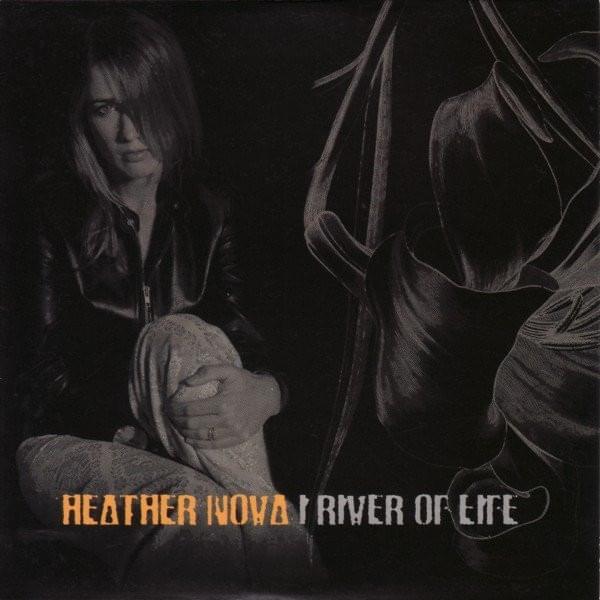
Heather Nova's "River of Life" isn't just another breakup ballad; it's a study in acceptance, a reluctant surrender to the inevitable currents of existence. The song meaning revolves around the painful paradox of needing to release something cherished for the sake of a larger, perhaps unknowable, good. Nova's opening verses paint a wistful picture of desires thwarted—to soar freely, to dream peacefully—immediately establishing a sense of longing and unfulfilled potential. The repeated assertion, "But it was not to be," lands with the weight of resignation, hinting at forces beyond individual control. This creates a powerful tension between personal yearning and a detached understanding of fate.
The core of the song, both musically and thematically, lies in its central refrain: "Sometimes you got to let love go / Even though it's hurting." This isn't a celebration of freedom or a defiant act of self-preservation. Instead, it’s a somber acknowledgment of the necessity of letting go, even when it inflicts pain. The "river of life" serves as a potent metaphor for the ceaseless flow of time and experience, suggesting that holding on too tightly to something—even love—can be detrimental, obstructing the natural course of events. It's the understanding that clinging to the past can damn you to it.
Nova's lyrical choices highlight the internal conflict at play. The desire to "hold you so long / In the dark till dawn" clashes with the felt sense of the beloved already slipping away. This push and pull embodies the agonizing struggle between wanting to preserve a connection and recognizing its impending dissolution. The repeated phrase "let love slide" is particularly evocative, implying a gentle, gradual release rather than a sharp, decisive break. It’s a letting go with grace, a surrendering to the river's current, trusting that it will carry both parties to their respective destinations, however painful the separation may be. Ultimately, "River of Life" finds its power in the mature, albeit sorrowful, understanding that love's truest form sometimes requires release.
 View Artist