Song Meaning
The narrator delivers a sharp, cutting retort to a former lover’s sudden claims of loneliness and regret. The opening lines immediately establish a dismissive tone, framing the ex-partner’s current distress as a consequence of their past actions. The repeated phrase, "cry me a river," isn't just a dismissal; it’s a direct inversion of the narrator’s own past suffering, highlighting the imbalance in their previous relationship. The narrator is essentially saying, "You caused my tears, now you can have your own."
The core tension here is the stark contrast between the ex-partner’s present sorrow and their past indifference. The lyrics explicitly state, "While you never shed a tear," underscoring the narrator's profound hurt that went unacknowledged. This makes the ex-partner’s current "lonely" state and claims of being "sorry" feel hollow and self-serving, especially when they also claim to "love me / Just to prove you do." The narrator sees through this attempt at reconciliation, recognizing it as a desperate bid rather than genuine remorse.
The most potent piece of craft is the titular phrase itself, "cry me a river." It’s a masterful piece of lyrical economy, packing immense emotional weight into a simple, idiomatic expression. By repurposing the common phrase, the narrator transforms it into a weapon, turning a symbol of overwhelming sadness into a sarcastic dismissal. The relentless repetition of "I cried a river over you" in the final lines hammers home the depth of the narrator's past pain, serving as the irrefutable justification for their current coldness.
This song hits hard because it validates the feeling of being wronged and then dismissed. The narrator’s sharp, almost gleeful rejection of the ex-partner’s pleas is cathartic. It’s not just about moving on; it’s about reclaiming agency and turning the tables on someone who inflicted pain without consequence. The lyrics offer a potent fantasy of righteous comeuppance, where past suffering is acknowledged not with more tears, but with a defiant, "Cry me a river."
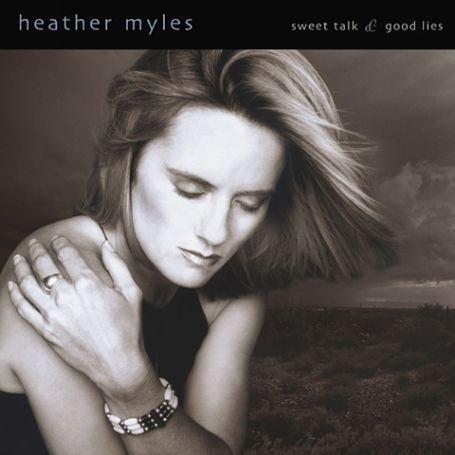
 View Artist