Song Meaning
The lyrics present a paternal blessing, a legacy passed down at birth: a simple rhyme and song meant to be sung when life becomes overwhelming. This inheritance isn't material wealth but a coping mechanism, a reminder to seek beauty and hope beyond immediate troubles. The core instruction is to "look to the rainbow," a potent image of ephemeral beauty and promise, suggesting a path to follow when the "world falls apart."
The central tension lies in the contrast between the world's inevitable difficulties and the enduring power of this simple, hopeful directive. The narrator internalizes this advice, embarking on a global quest "to the East with the lark / To the West with the sea." This extensive search, spanning "all the earth" and "all the skies," highlights the narrator's earnest dedication to finding the promised solace.
The most striking element is the ultimate discovery: the "elegant legacy" isn't found in grand vistas or distant lands, but "at last / In my own true love's eyes." This reframes the rainbow not as a literal phenomenon, but as a metaphor for the profound, often overlooked beauty and hope found in human connection. The repeated refrain, "Follow the fellow / Who follows a dream," further emphasizes this shift, suggesting that true aspiration and fulfillment are found in pursuing one's deepest desires, often reflected in the eyes of a loved one.
This lyrical arc is effective because it grounds an abstract, almost spiritual directive in a deeply personal and relatable experience. The journey from a father's hopeful words to the narrator's own realization of love's transformative power creates an emotional resonance. The simple, almost childlike repetition of "Look to the rainbow" and "Follow the fellow" makes the message accessible, while the ultimate destination – the beloved's gaze – imbues it with profound emotional weight and a sense of hard-won peace.
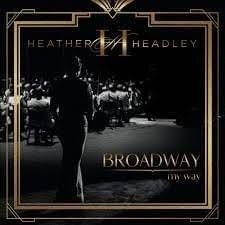
 View Artist