Song Meaning
The lyrics paint a stark picture of unfulfilled desire and self-destructive patterns. The opening lines establish a cycle of wanting someone who doesn't reciprocate, leading to an inability to let go of what's unattainable. This creates a sense of internal struggle, where a 'nervous touch' can lead to 'another bond' or 'another cut,' highlighting the precariousness of emotional connection when driven by longing.
The central tension lies in the narrator's apparent realization of this destructive loop, encapsulated by the phrase 'You learn to love to hurt yourself.' This isn't about external harm, but an internal coping mechanism where self-inflicted pain becomes familiar, even comforting, because it's tied to the pursuit of what's out of reach. The lyrics suggest a resignation to this pattern, a learned behavior that offers a perverse sense of control.
The recurring image of 'water inside us' that 'dries up' is a potent metaphor for fading hope or emotional depletion. It connects the internal state to external forces, implying that the passion or connection being sought is transient and ultimately unsustainable. This imagery underscores the futility of clinging to something that is destined to disappear, especially when the pursuit itself is damaging.
Ultimately, the effectiveness of these lyrics stems from their blunt honesty about the human tendency to chase the unattainable, even at personal cost. The repeated idea that 'we only want what we can't get' is a simple yet profound observation that resonates with the experience of longing. The song captures the quiet desperation of being trapped in a cycle of wanting, where the act of wanting itself becomes a form of self-harm.
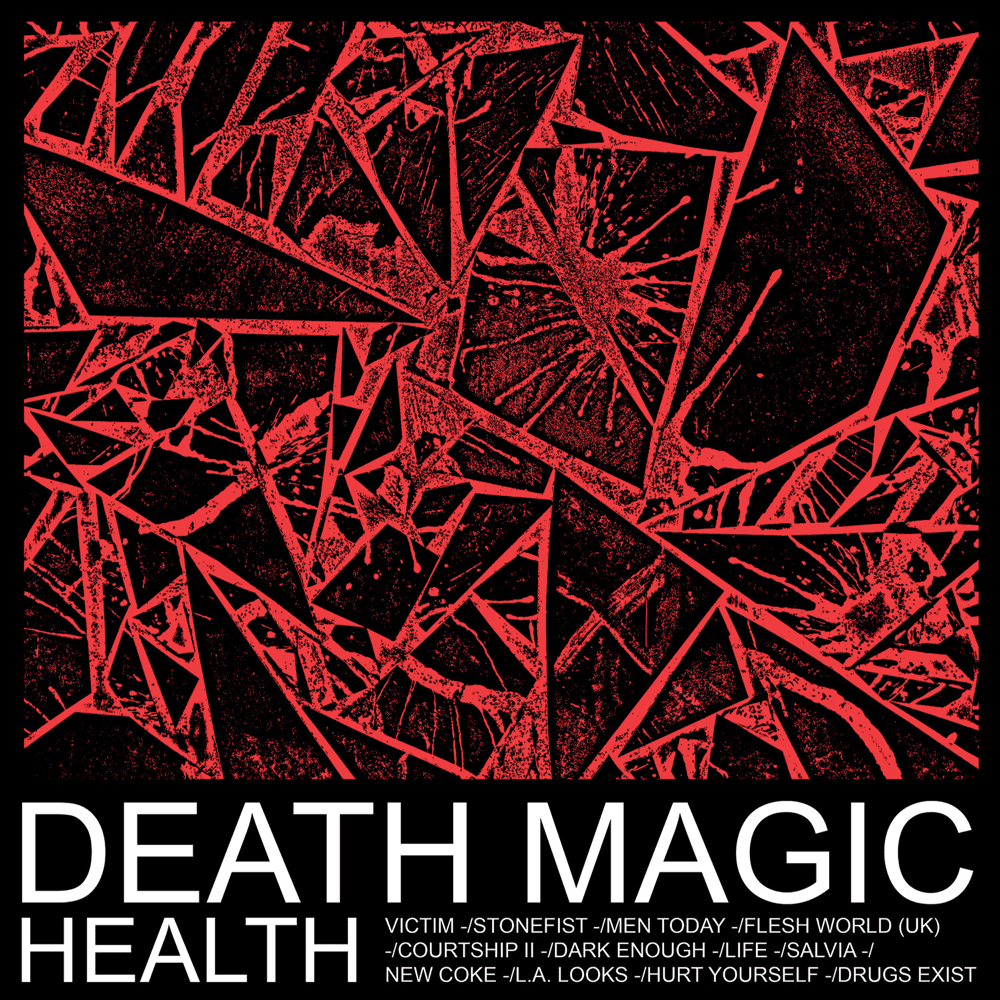
 View Artist