Song Meaning
This lullaby paints a seemingly innocent picture of comfort and future reward. The repeated "Hush-a-bye, don't you cry" immediately establishes a soothing, parental tone, promising a "cake" and "pretty little horses" upon waking. It’s the classic reassurance offered to a restless child, a gentle ushering towards sleep with the allure of pleasant dreams.
However, a subtle unease creeps in with the introduction of the "poor little lamby" "down yonder, down in the meadow." This imagery, with bees and butterflies flitting around its eyes and crying for its "mammy," introduces a stark contrast to the promised sweetness. The lamb's distress, set against the idyllic meadow, hints at vulnerability and a potential loss that the lullaby’s surface narrative doesn't acknowledge.
The true power of the lyrics lies in this juxtaposition. The detailed descriptions of the horses – "Blacks and bays, dapples and greys," "Coach and six white horses" – create a vivid, almost fantastical escape. Yet, this elaborate dreamscape feels less like a genuine promise and more like a distraction from the underlying sorrow, perhaps even a way to avoid confronting the lamb's plight or the baby's own unspoken fears. The repetition of the horses' descriptions, especially "All the pretty little horses," hammers home this idealized vision, making the contrast with the crying lamb even more pronounced.
Ultimately, the effectiveness of "Pretty Little Horses" stems from its ability to evoke a complex emotional response. It’s a song that feels both comforting and deeply melancholic, suggesting that sometimes the most beautiful promises are woven to shield us from harsher realities. The gentle rhythm and sweet imagery are a delicate veil over a more somber undertone, leaving the listener with a lingering sense of bittersweetness.
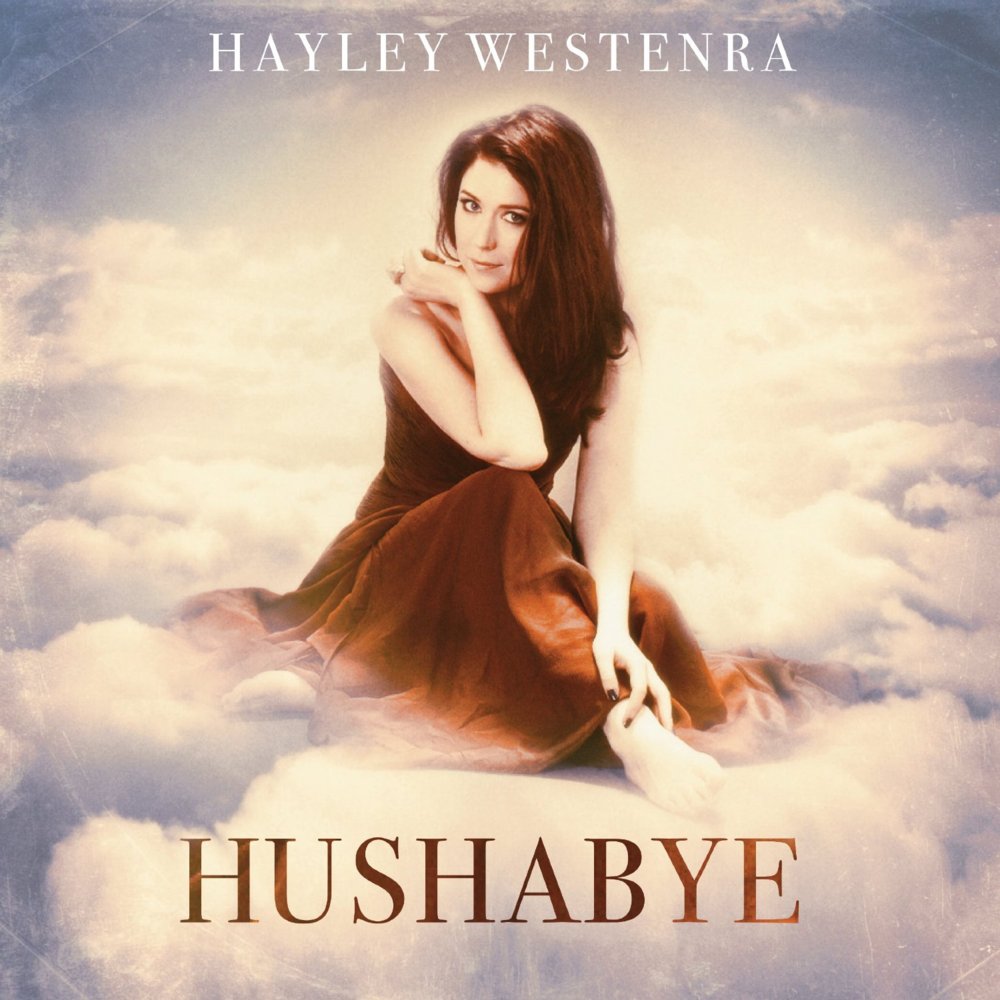
 View Artist