Song Meaning
The lyrics paint a stark, almost dreamlike scene of abduction and sorrow. A forceful "he" carries a "her" off to an orchard, immediately establishing a tone of violation and loss. This initial act is echoed by the recurring refrain, "The falcon hath bourne my mate away," a poetic image that suggests a swift, irreversible taking, leaving behind a profound sense of absence. The repetitive "Lu li lu lay" acts as a mournful, almost primal lament, underscoring the helplessness of the situation.
The narrative then shifts to a richly adorned chamber within the orchard, a place of supposed comfort or sanctuary that is instead the site of suffering. The "hold" is described with opulent materials like "purple and pall" and a bed "hanged with gold so red," creating a jarring contrast with the grim reality it contains. This luxurious setting highlights the isolation and despair of the knight lying wounded, his "wound is bleeding day and night," emphasizing the unending nature of his pain and the futility of his opulent surroundings.
The most striking image is the knight's bedside stone, inscribed with "Corpu christi." This sacred inscription, juxtaposed with the bleeding knight and the weeping maid, creates a powerful tension between divine presence and earthly suffering. The lyrics suggest a profound disconnect, where religious devotion or a holy symbol offers no solace or healing for the physical and emotional wounds depicted. The maid's constant weeping mirrors the knight's perpetual bleeding, a shared, unending grief that the sacred stone seems to passively witness rather than alleviate.
This piece masterfully uses stark imagery and a haunting refrain to convey a deep sense of loss and inescapable sorrow. The contrast between the opulent setting and the raw suffering, coupled with the enigmatic "Corpu christi" stone, leaves the listener with a lingering feeling of unresolved pain. The effectiveness lies in its ability to evoke a powerful emotional response through carefully chosen, almost archetypal images, rather than explicit narrative explanation.
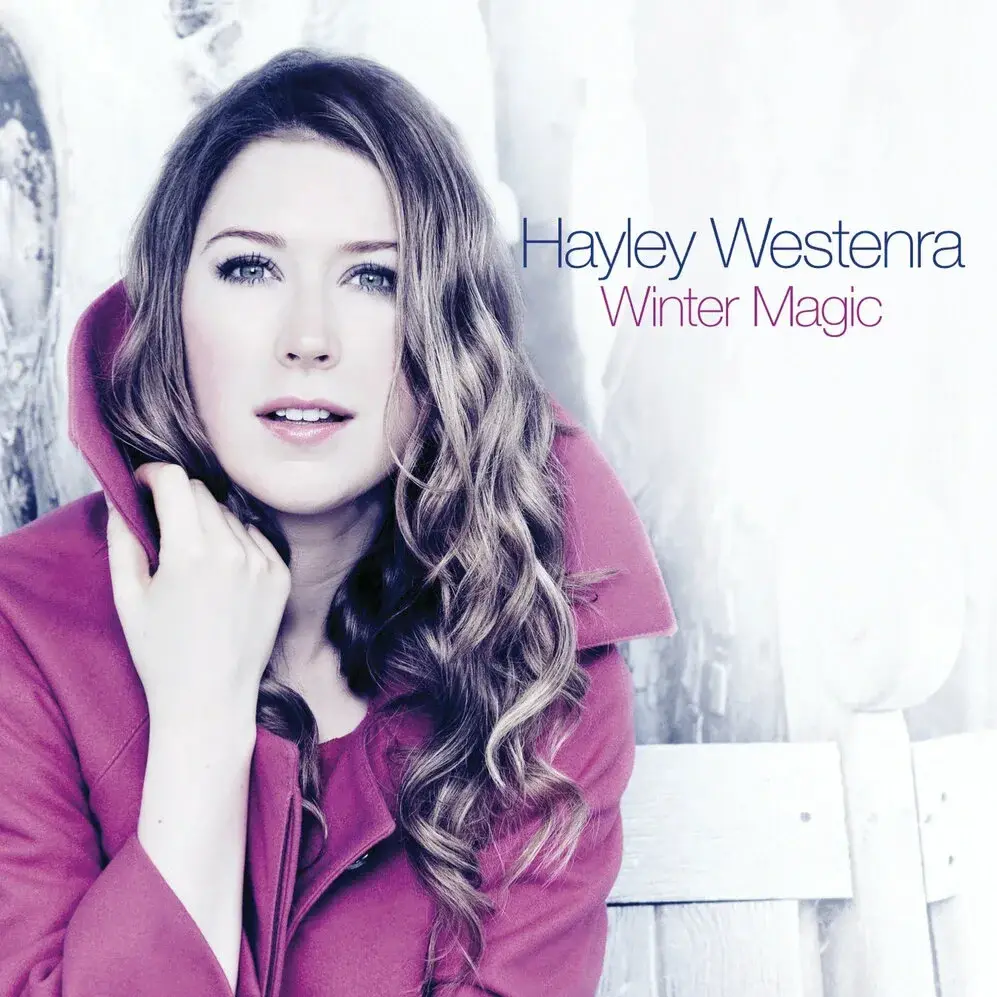
 View Artist