Song Meaning
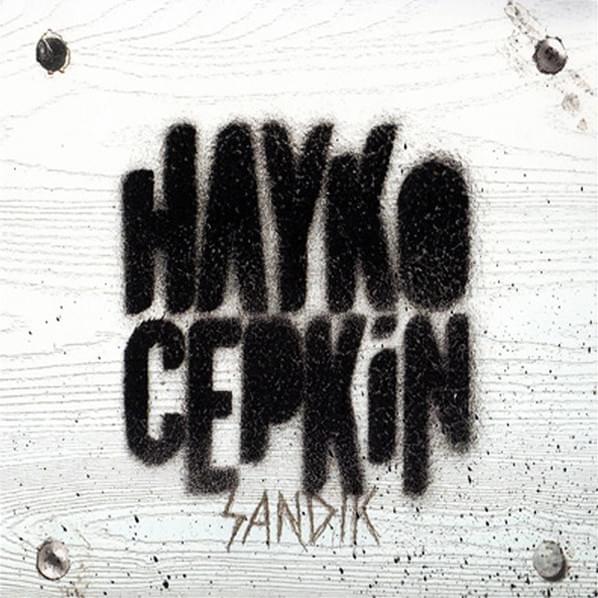
Hayko Cepkin's "Yolun Sonu" isn't just a song; it's a sonic autopsy of a soul standing at the edge of oblivion. The Turkish rocker, known for his intense vocals and theatrical performances, uses this track to dissect themes of despair, acceptance, and a strange sort of companionship found in the darkest corners of the self. The opening lines, "Bitmez sandı yoksul beynin / Sorma artık kimim neyim," suggest a resigned confrontation with a limited, perhaps self-destructive, mindset. There’s a weariness, a sense of having exhausted all other options. The speaker offers a twisted form of solace: "Olsun sende merhametim / Bundan sonra seninleyim"-- a promise of enduring presence, but one tinged with the grim reality of shared suffering. It implies that the speaker has become one with the darkness.
The chorus hits with the full force of Cepkin's signature style, a maelstrom of emotion. "Yol gözümü dağlıyor bak / Ağlasan da boş / Bendeki zehir kadar sarhoş" paints a vivid picture of a path that scorches the eyes, a journey where tears offer no relief, and the only solace is a numbing intoxication akin to poison. The river of tears, the overwhelming sense of loss, becomes a defining feature of this desolate landscape. The repetition of "Tadı yok çok zor olur bir daha" underscores the finality, the crushing weight of an experience that leaves one irrevocably changed.
The verses offer glimpses into the speaker's internal state: emptiness, a sense of being at rock bottom, and a redefinition of identity through past pain. "Gözümde yaş, bomboş elim / Hiçbir şeyin dibindeyim / Geçmiş her gün hikâyemdir / Böyle bilsin sevdiklerim" is a poignant acknowledgement of how hardship shapes narrative. "Yolun Sonu," or "The End of the Road," isn't necessarily a literal end, but a transformative point where the past becomes the lens through which the future—or lack thereof—is perceived. It’s a bleak but powerfully rendered exploration of the human capacity for both despair and a strange, unwavering self-awareness.
 View Artist