Song Meaning
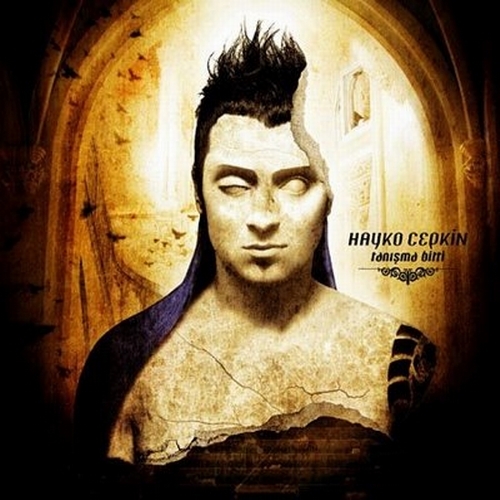
{"song_id": 13135993, "meaning": "Hayko Cepkin's \"Kaos\" isn't just a song; it's a primal scream against hypocrisy, a sonic purging of disgust. The lyrics, though sparse, cut like shards of glass, targeting a 'you' figure who embodies corruption and self-deception. The repetition of 'Bir sen var oldun, Bir sen nur oldun' initially suggests reverence, but quickly twists into bitter sarcasm. This 'you' is singular, elevated ('nur oldun' – you became light), yet simultaneously exposed as multiplied, inflated beyond worth ('Bil sen çok oldun' – know that you are too much). It's a classic Cepkin maneuver: using devotional language to amplify the subsequent takedown. The target isn't just flawed; they're a grotesque distortion of something pure.
The core of \"Kaos\" lies in the brutal honesty of 'Suratın iğrenç, Kimlerden söyle yüz buldun?' (Your face is disgusting, from whom did you find a face?). This isn't mere insult; it's a psychological dissection. The question implies a borrowed identity, a mask of borrowed virtues. The line 'Vücudun kireç, Söyle böyle mi pak oldun?' (Your body is lime, tell me, did you become pure like this?) furthers the indictment. Lime, often used for whitewashing, suggests a superficial attempt to conceal inner decay. The lyrics paint a picture of someone who has built a facade of purity upon a foundation of ugliness, a theme that resonates deeply in a world saturated with curated online personas and performative morality.
The genius of Hayko Cepkin in \"Kaos\" is the rawness. The song leaves you with unanswered questions, mirroring the frustrating ambiguity of confronting hypocrisy in real life. The final, fragmented lines ('Bak bu yürek...'), trailing off into question marks, suggest a vulnerability beneath the rage. This heart, presumably the singer's, is left exposed, questioning, perhaps even broken by the realization of the 'you' figure's true nature. It’s a raw, unfinished feeling that embodies the 'Kaos' the song evokes, a state of internal turmoil left unresolved."}
 View Artist