Song Meaning
Hayko Cepkin's "Hüzünle Karışık" isn't just a song; it's a primal scream bottled in Turkish rock. The relentless repetition of "Bana yol ver bana iyi bak / Son vedadır" (Give me way, look at me well / It's the last goodbye) hammers home a sense of finality, a desperate plea for recognition before the curtain falls. It's the emotional equivalent of staring into the abyss, demanding the abyss acknowledge you before you're consumed. The "son defadır" (last time) refrain amplifies the weight of irreversible decisions, hinting at a relationship or situation pushed past the point of no return. This isn't just sadness; it's the stark acceptance of an ending.
The chorus explodes with visceral imagery: "Bırak aksın sel sular / Can evimden vurdular" (Let the floodwaters flow / They shot me from my soul's house). The flood represents an overwhelming torrent of emotion, while the soul-house shooting suggests a deeply personal betrayal. Cepkin doesn't shy away from the melodramatic, and it's precisely that willingness to embrace the extreme that gives the song its power. There's a raw vulnerability laid bare, a willingness to expose the psychic wounds.
"Bana kalsın dar duvar / Ezilir elbet can çıkar" (Let the narrow wall remain with me / It will crush, life will surely leave) is a particularly potent line, painting a picture of claustrophobia and inevitable demise. The narrow wall symbolizes confinement, whether physical, emotional, or psychological. The acceptance of being crushed, of life being extinguished, speaks to a profound sense of resignation. The song meaning transcends simple heartbreak; it delves into themes of self-sacrifice and the crushing weight of expectations. "Hüzünle Karışık" is a sonic monument to the pain of endings, delivered with Cepkin's signature theatrical intensity.
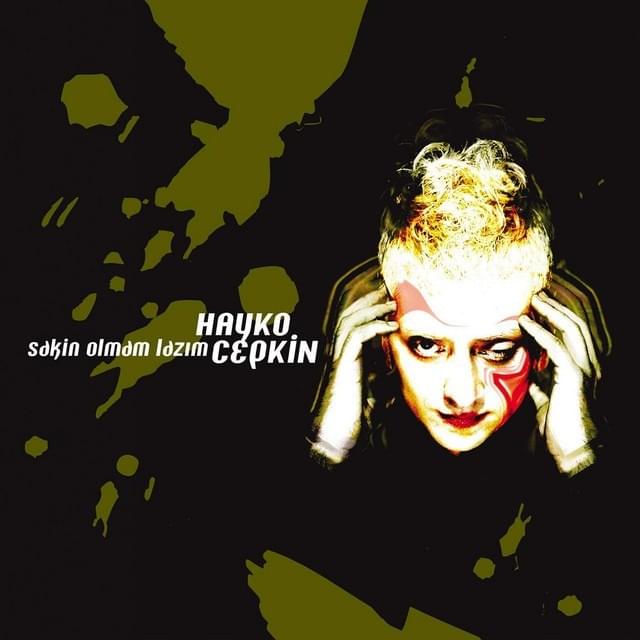
 View Artist