Song Meaning
The lyrics paint a picture of a group identifying as "warriors" tasked with a monumental, almost cosmic, cleansing. Initially, they are presented as instruments of destruction, a "scythe" and "spade" to eradicate an "Enemy." This imagery suggests a forceful, decisive action aimed at total annihilation, even reducing the remnants to "finest ash" blown away "as if it had never existed." The tone is one of grim, determined purpose, setting up a grand, almost apocalyptic, mission.
However, the narrative takes a sharp turn when the identity of the "Enemy" is revealed. It's not an external force, but an internal one: "the devils that hide in our minds." This internal conflict is what makes them "less than happy," shifting the focus from a physical battle to a psychological one. The warriors are fighting against their own inner demons, the source of their unhappiness and perhaps their downfall.
The most striking aspect is the transformation of the warriors' identity. After declaring their destructive purpose, they reveal themselves not as triumphant conquerors, but as the "lost," the "last," and most poignantly, "the betrayed." This stark contrast between their initial self-perception as agents of cleansing and their final state of victimhood is the core tension. They are the ones who have been wronged, even as they see themselves as instruments of judgment.
This shift makes the lyrics resonate. The grand, sweeping pronouncements of power and destruction ultimately collapse into a profound sense of vulnerability and loss. The "warriors" are not just fighting an internal enemy; they are also casualties of a larger, undefined betrayal. The effectiveness lies in this unexpected turn, revealing a deep internal struggle masked by an outward show of force, leaving the listener with a sense of tragic irony.
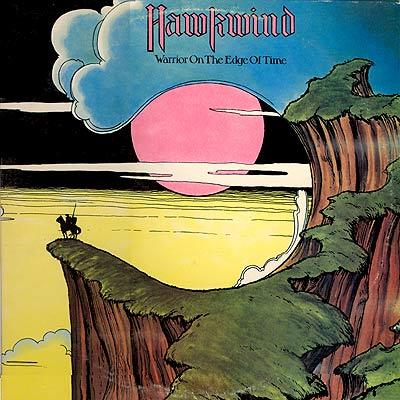
 View Artist