Song Meaning
The lyrics paint a stark picture of an ancient, unending conflict under a desolate sky. The "starless night" and "sand dunes of life" establish a timeless, almost suffocating atmosphere where existence itself seems to pause. There's a sense of weary waiting, a dream of peace amidst the relentless "hot desert winds" that "never cease," a cyclical struggle where forgiveness is a plea against an overwhelming force.
The central tension lies in the obsolescence of traditional warfare and the grim continuity of conflict. The "swords of steel" becoming "guns" and the "desert steed" being "outrun" highlight a technological and strategic shift, yet the core fight persists. This modernization doesn't bring resolution, only a new form of the same old war, forcing the "Sword of the East" to "hide" and "wait for dawn" – a perpetual state of readiness for renewed violence.
The most striking element is the juxtaposition of the grand, almost mythical "Sword of the East" with the devastating reality of its ongoing wars. The repeated refrain, "Forgive their sins, Sword of the East," feels like a desperate, almost futile appeal to a powerful entity that seems indifferent to the suffering it perpetuates. The lyrics powerfully convey how "children you bear / Are born into war," their "eyes of despair" ignored by "generals," suggesting a tragic inheritance where future generations are doomed to repeat the past.
This writing is effective because it grounds its grand themes in concrete, evocative imagery. The "warm blood of the past / Still flows in the sand" is a visceral metaphor for the deep, persistent roots of this conflict. The relentless repetition of the chorus reinforces the inescapable nature of the struggle, leaving the listener with a profound sense of the enduring, cyclical tragedy of war and the heavy cost borne by its youngest victims.
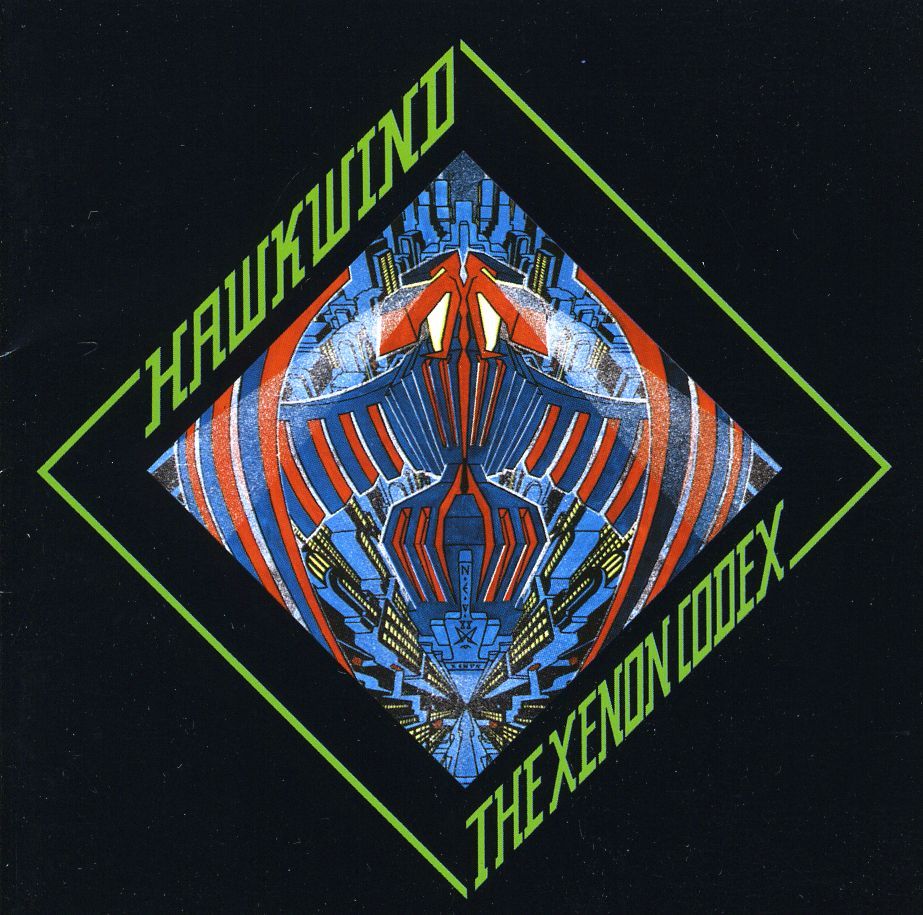
 View Artist