Song Meaning
The lyrics paint a stark picture of exhaustion and existential dread, placing the speakers "on the edge of time." This isn't a moment of anticipation, but one of profound weariness. The repeated assertion "it is dark" and later "it is cold" establishes a bleak, oppressive atmosphere. The core of this desolation seems to stem from a profound loss of connection and purpose, highlighted by the repeated questions about lost loved ones and absent emotions like "joy" and "hope."
The central tension arises from the juxtaposition of a supposed end-of-time scenario with a deep, almost mundane fatigue. The phrase "tired of making love" is particularly striking; it suggests a weariness with intimacy, creation, or perhaps even the very act of living and continuing. This exhaustion is amplified by the self-identification as "the lost," "the ravaged," and "the unkind," painting a picture of a group that has endured significant hardship and perhaps inflicted it as well.
The most potent craft element is the transformation of "soldiers" into "veterans of a thousand psychic wars" and "victims of the savage truth." This reframes the struggle from a physical conflict to an internal, psychological one, emphasizing the lasting damage of unseen battles. The relentless repetition of "tired" in the final lines hammers home the overwhelming sense of depletion, making the weariness feel absolute and inescapable.
This writing is effective because it taps into a feeling of being overwhelmed by forces beyond one's control, both external and internal. The stark, unadorned language and the relentless focus on darkness, cold, and exhaustion create a palpable sense of despair. The lyrics don't offer solutions or hope; instead, they resonate by articulating a profound, shared exhaustion that feels deeply earned through the repeated, simple declarations of being "tired."
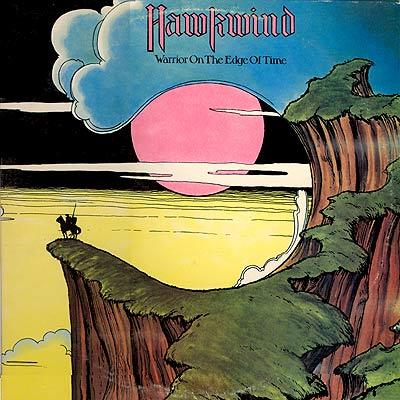
 View Artist