Song Meaning
The lyrics immediately plunge into a profound existential crisis, with the speaker grappling with the ultimate question: "To be, or not to be." This deep philosophical inquiry is swiftly juxtaposed with intense personal anguish. The speaker is clearly reeling from a recent, scandalous marriage involving a close family member.
The core tension lies in the speaker's oscillation between abstract philosophical despair and visceral disgust over a specific family event. The grand contemplation of whether "'tis nobler in the mind to suffer" or to take action against a "sea of troubles" quickly narrows to the intimate horror of being "Married with my uncle." This abrupt shift highlights how personal anguish can fuel universal questions of existence.
The power of these lyrics comes from their jarring juxtaposition. The speaker considers whether to actively resist overwhelming forces, only to immediately pivot to the "wicked speed" of a mother's marriage. This rapid-fire emotional whiplash reveals a mind unable to separate its grandest dilemmas from its most intimate wounds, making the perceived impropriety of "incestuous sheets" feel like a direct assault on the speaker's very being.
Ultimately, the lyrics are effective because they portray a soul trapped. The repeated "To be or not to be" isn't just a philosophical query; it becomes a desperate plea for escape from a situation that "cannot come to good." The speaker's forced silence, expressed as "break, my heart, for I must hold my tongue," amplifies this torment, suggesting that the inability to speak out is as agonizing as the perceived betrayal itself, driving the existential question to its most urgent point.
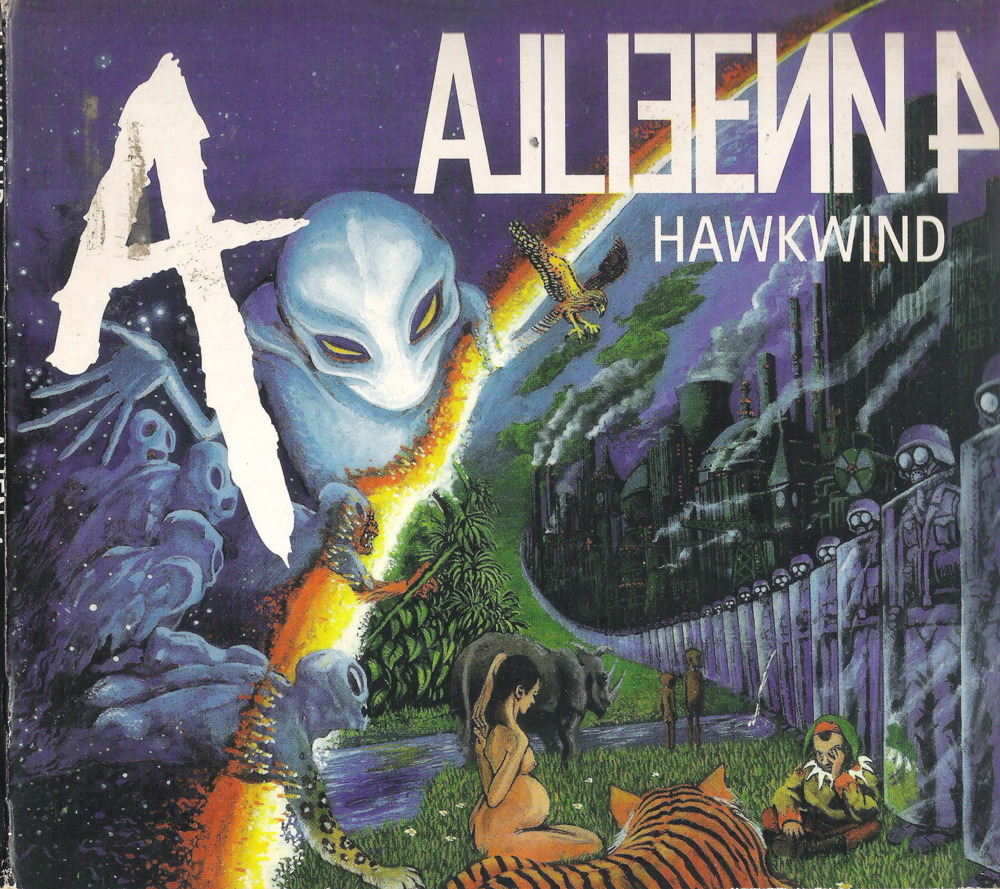
 View Artist