Song Meaning
The lyrics paint a grim picture of an encroaching, insatiable force, described as a "greedy tide" that "swelled from the west unsatisfied." This relentless pressure gnaws at a "human banquet," suggesting a civilization or way of life being consumed. A pervasive sense of dread is established through imagery of madness, "gibbering" figures staring at a "white hot" sky, and "foul birds" circling, casting a shadow over both the living and the dead.
The dominant emotional tension arises from this overwhelming, external threat and the internal breakdown it causes. The "impatient fret" of the tide mirrors the "madness in their eyes" of those it affects. The scene shifts southward, where the environment itself seems to sicken under a "blood red sun," emphasizing the pervasive decay and despair. The narrator appears to be observing a figure stumbling "with the fear-tamed herds," a stark image of vulnerability and helplessness amidst savage forces.
The craft here relies heavily on oppressive, almost apocalyptic imagery. The contrast between the "human banquet" and the "gnawed" remnants, or the "living and the dead" under the same shadow, amplifies the sense of doom. The repetition of "overhead" for both the "foul birds" and the "homeless birds" creates a cyclical, inescapable feeling of being watched and threatened by forces beyond control. The "vapours dun" and the "sickens at noon" sun contribute to a suffocating atmosphere, where even nature seems to succumb to the encroaching despair.
This writing is effective because it builds a palpable sense of dread through consistent, bleak imagery and a feeling of inevitable consumption. The focus isn't on a specific event but on the overwhelming atmosphere of decay and the psychological toll it takes. The lyrics suggest a world where external forces are so powerful that they induce madness and reduce humanity to stumbling alongside "fear-tamed herds," highlighting a profound loss of control and dignity.
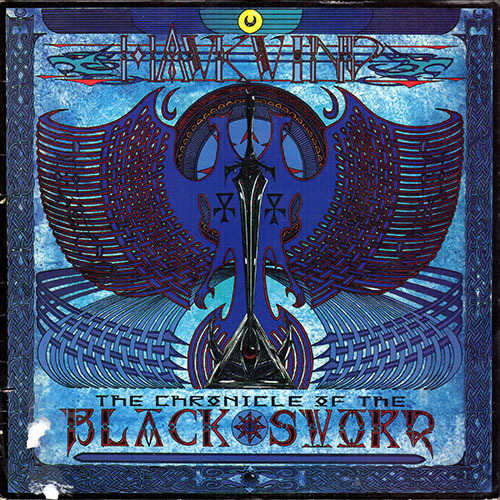
 View Artist