Song Meaning
The lyrics paint a stark picture of emotional exhaustion and a desperate attempt to sever ties with a painful past, specifically personified by the name "Johnny." The narrator declares "No more named Johnny," having been "broken too much before" and "crushed by too many Johnnies." This isn't just about one person; it suggests a pattern of hurtful relationships where the name has become a trigger for deep-seated pain. The imagery of "girls are on display in the window" and "boys are in the freezer room" creates a chilling, objectifying atmosphere, hinting at a transactional or dehumanizing environment that has contributed to the narrator's weariness. The contrast between the "fist full of flowers" from a past "Johnny" and the current resolve to avoid the name highlights the lingering impact of even seemingly tender gestures when they are overshadowed by repeated hurt.
The central tension lies in the narrator's struggle to escape the cycle of disappointment and heartbreak associated with this recurring figure. The repeated phrase "Oh those fond farewells" underscores the painful irony of endings that are initially perceived as gentle but ultimately lead to further suffering. The narrator's current state is one of prolonged distress, "standing in the rain since June," and a deliberate self-sabotage of their own timekeeping, "wound up my watch 'til I broke the springs," to ensure they "never have the time for you." This act of breaking their watch is a powerful, tangible manifestation of their refusal to engage with whatever the "Johnny" figure represents, even at the cost of their own sense of order and punctuality.
The lyrics employ striking, almost surreal imagery to convey the depth of this emotional damage. The question, "Do you ever drive an ice cream truck / Off the highway to a clear cut track / To that dirty place where we got stuck?" is particularly evocative. It juxtaposes the innocent image of an ice cream truck with a descent into a "dirty place," suggesting a betrayal of perceived sweetness or a lure into a situation that turned out to be ruinous. This specific, bizarre image serves to encapsulate the narrator's feeling of being led astray by a deceptive or ultimately damaging force, making the resolve to never "whisper that word" feel like a hard-won, necessary act of self-preservation.
Ultimately, the effectiveness of these lyrics stems from their raw, unflinching portrayal of emotional burnout and the radical measures taken to reclaim agency. The narrator isn't just sad; they are actively dismantling their connection to a painful past by rejecting a name that has become synonymous with hurt. The specific, often unsettling imagery – from the freezer room to the broken watch – grounds the emotional turmoil in concrete, memorable details, making the narrator's plea for "No more named Johnny" a powerful declaration of survival.
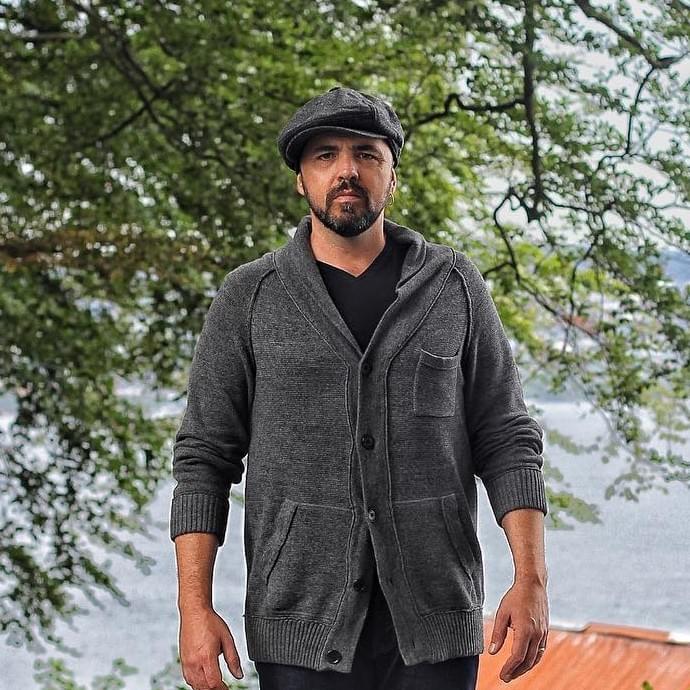
 View Artist