Song Meaning
The lyrics paint a picture of a group, referred to as "all of us kids," on the brink of a significant, potentially violent, societal shift. The initial "shock waves" are acknowledged as temporary, with an expectation that the public will soon demand more visceral experiences – "real love," "real bombs," and "real songs." This suggests a growing impatience and a desire for authenticity, even if it's destructive. The anticipation of "burning flag poles" and "salty tears" points to a disillusionment with existing structures and a reckoning with uncomfortable truths.
The central tension lies between a desperate plea for change and the looming threat of violence. The repeated refrain, "all of us kids want / The same thing from our lives," grounds the abstract calls for revolution in a shared human desire. However, this unity is immediately juxtaposed with the chilling ultimatum: "So come on out now / Before we start shooting." This creates a palpable sense of urgency, implying that the current state of affairs is unsustainable and that a breaking point is imminent, with the "kids" ready to resort to drastic measures if their demands aren't met.
The most striking craft element is the juxtaposition of destructive imagery with aspirations for peace and renewal. The group intends to "tear the bars off the windows" and use their "voices will be instruments for the truth," which are powerful metaphors for liberation and honest expression. Yet, this is framed by the threat of violence and the eventual "fighting." The lyrics then pivot to a hopeful, almost pastoral vision of migrating to the "coast line," listening to "hush of our babies," and finding solace in "evening" and "morning" for "all who suffer" and a "chance to renew." This dramatic shift from potential chaos to serene resolution highlights the deep-seated longing for peace that underlies the group's unrest.
This lyrical construction is effective because it taps into a raw, visceral feeling of societal stagnation and the desperate hope for something better, even if that path is fraught with danger. The repeated desire for the "same thing" creates a sense of collective identity, while the escalating threats and subsequent peaceful imagery capture the complex emotional landscape of those feeling marginalized or unheard. The lyrics don't offer easy answers but rather articulate a potent, urgent plea for change, acknowledging both the destructive impulses and the profound yearning for a peaceful future that can arise from it.
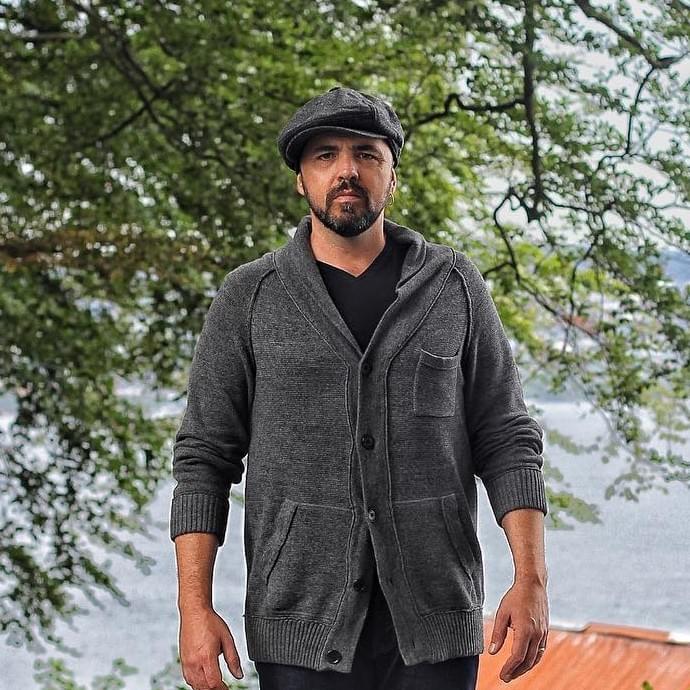
 View Artist