Song Meaning
The narrator is trapped in a cycle of insincerity, confessing a profound inability to offer genuine words or commitments. They explicitly state, "I won't say anything cos I don't mean it" and "Won't make a promise cos I won't keep it," establishing a stark emotional landscape of self-acknowledged falsehood. This isn't about withholding information; it's about a fundamental disconnect between internal feeling and external expression, leading to a desperate plea for authenticity from another.
The core tension arises from the narrator's awareness of their own deceptive nature, particularly their repeated assertion, "I'd only lie to you." This isn't a casual admission but a deeply ingrained pattern, reinforced by the phrase "said that thought a thousand times." They seem to believe in an elusive "something that I can't find," suggesting a yearning for genuine connection or belief that remains just out of reach, making their current state of lying feel like a self-preservation tactic.
The most striking element is the narrator's self-inflicted "scars" and their paradoxical "lying by the truth." The "truth that's in your charm" implies that the sincerity of the person they're addressing highlights their own lack thereof. The repeated, almost desperate, refrain "Now won't you say something / Please say something" underscores their isolation and their need for the other person to break the silence, perhaps to confirm their own perceived failings or to offer a genuine response that the narrator feels incapable of giving.
Ultimately, the lyrics resonate because they articulate a painful internal conflict: the desire to be honest versus the inability to act genuinely. The narrator's vulnerability lies in their explicit confession of their own untrustworthiness, making the plea for the other person to "say something" a desperate reach for an anchor in a sea of their own insincerity. It's the raw admission of being a liar, even to oneself, that gives the song its potent emotional weight.
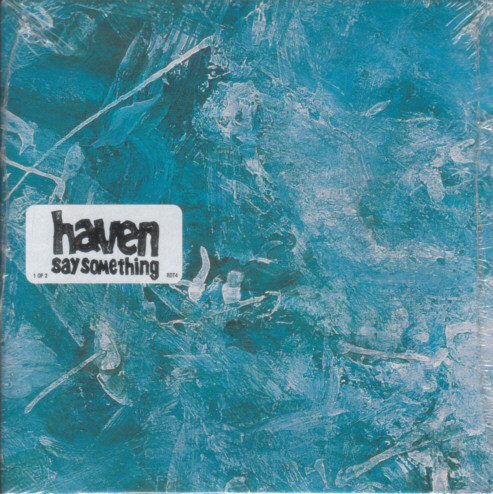
 View Artist