Song Meaning
The lyrics paint a picture of a quiet domestic scene juxtaposed with the lingering presence of conflict. The opening lines, "Will you come to me tonight? / The laundry is already dry in the yard," establish a sense of anticipation for intimacy or connection, set against the mundane backdrop of finished chores. This peaceful imagery, however, is immediately undercut by the stark statement, "A war that never ends / Is now somewhere else." This contrast suggests that even in moments of personal calm, the awareness of ongoing strife is inescapable.
The central tension arises from the narrator's attempt to create a sanctuary within the home while acknowledging the external world's turmoil. The image of "roads returning endlessly / alone like a horse without a rider" evokes a sense of aimless, cyclical movement, perhaps mirroring the futility or persistence of conflict. The house itself becomes a boundary, "closing in the evening / on the good and the bad within it," implying that domestic life contains its own internal struggles alongside the external ones.
The lyrics then shift to a more somber reflection on boundaries and faith. The narrator recalls knowing "well that the border is / close and we are forbidden there." This sense of restriction is followed by a poignant image of a father praying, "My father prayed and could finish / the land and all its army." This line is particularly striking, suggesting a desperate plea for resolution or peace in the face of overwhelming forces, where even divine intervention is invoked to end the "army and the land" that have "darkened."
The effectiveness of these lyrics lies in their ability to weave together the personal and the political, the intimate and the vast. The repetition of the opening question and imagery at the end, "Will you come to me tonight? / The laundry is already dry in the yard / A war that never ends / Is now somewhere else," brings the listener back to the initial scene, but now imbued with the weight of the intervening reflections. It underscores the enduring human desire for connection and normalcy, even when shadowed by the persistent specter of conflict, highlighting how personal peace is often sought against a backdrop of distant, yet palpable, unease.
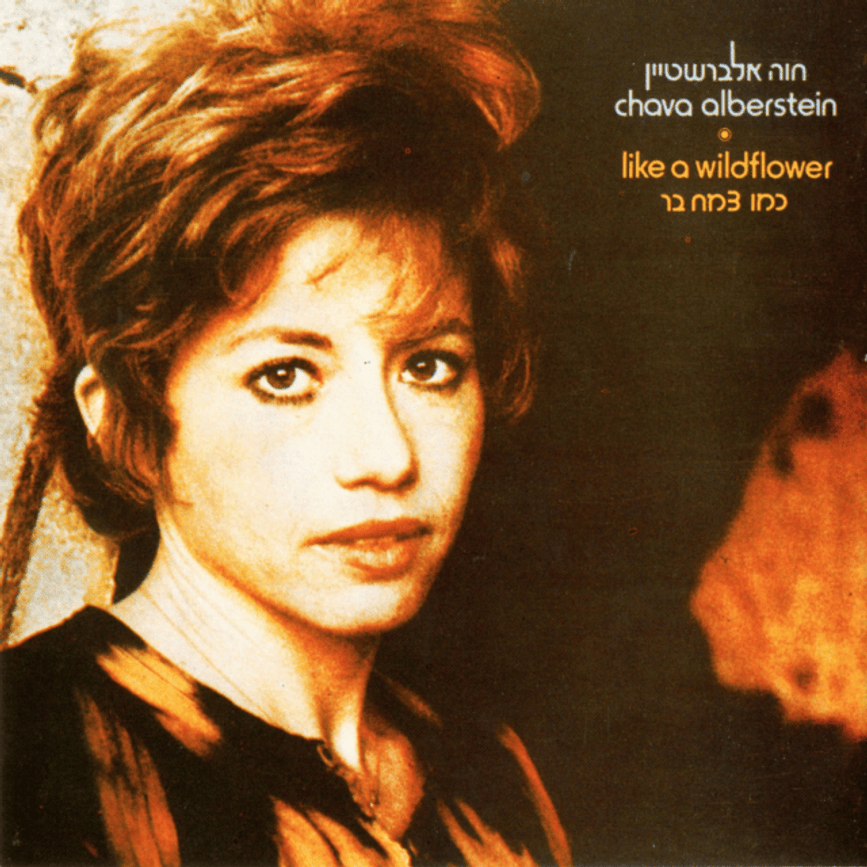
 View Artist