Song Meaning
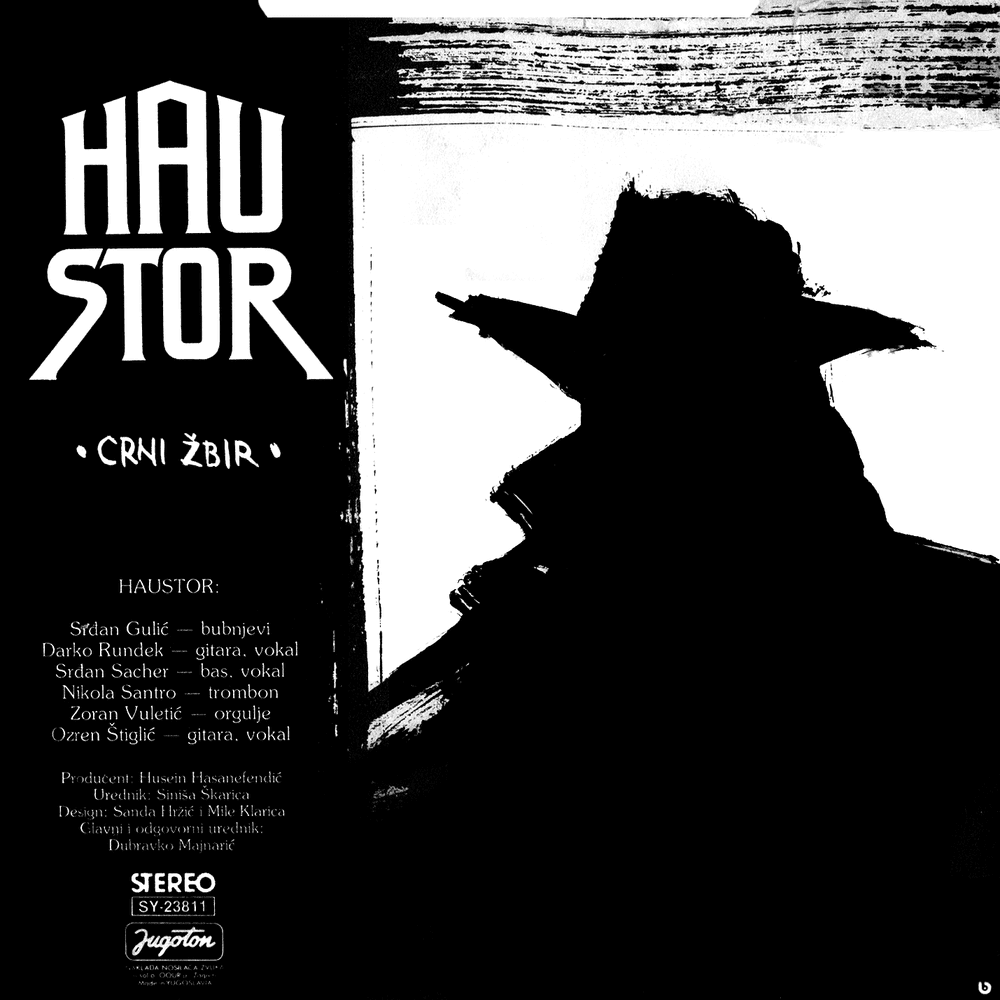
The lyrics paint a picture of a mysterious, omnipresent figure referred to as "crni žbir" (black pigeon or black gathering). This entity seems to collect "hude udese, ljubavi" (dire fates, loves) and patrols its territory, appearing even during peaceful "bijele dane" (white days) and "nedjelje" (Sundays), contrasting with the encroaching "mrak" (darkness). The repetition of "crni žbir zbira" and "prati on svoj rejon, zbilja" establishes a sense of routine and inevitability surrounding this presence.
The central tension lies in the juxtaposition of calm, ordinary moments with the unsettling actions of the "crni žbir." It's described as gathering dire fates and loves, suggesting a collector of significant, perhaps tragic, emotional experiences. The phrase "bijele dane progutat će mrak" (white days will be swallowed by darkness) explicitly states the threat this figure represents to peaceful times, creating an atmosphere of foreboding.
The most striking imagery comes in the chorus. The "mokru šiju" (wet neck) stretched into the air and "masni prsti pipaju kroz mrak" (greasy fingers feel through the dark) create a visceral, almost predatory image. This contrasts sharply with the earlier, more abstract descriptions. The shift to "sitni prsti" (small fingers) in the second chorus, while still "pipaju kroz zrak," adds a layer of ambiguity – are they the same fingers, or a different manifestation?
Ultimately, the effectiveness of these lyrics stems from their evocative, unsettling imagery and the persistent, unexplainable presence of the "crni žbir." The narrator doesn't explain *who* or *what* this figure is, but rather focuses on its actions and its pervasive nature, making the listener feel its "svuda" (everywhere) presence and the quiet dread it inspires.
 View Artist