Song Meaning
The lyrics paint a visceral, almost ritualistic scene of triumph over a figure described as a "peddler." The opening lines immediately establish a desperate, almost pleading tone, invoking a "narcotic god" and begging for salvation. This sets up a stark contrast with the subsequent declarations of victory, which are brutal and vengeful, reveling in the "pain" and "suffering" of the defeated. The repeated phrase "Victory over you (trash man) is to see you dead" underscores a profound, almost existential animosity directed at this figure.
The core tension lies in the narrator's perceived cleansing and the peddler's demise. The repeated, almost chanted lines "You are clean / We are clean" suggest a purification ritual or a self-righteous justification for the violence. This declaration of cleanliness is juxtaposed with the graphic imagery of the peddler's death – "kicked in head," "face down on the street" – and the narrator's ecstatic "Dancing in your blood." It implies that by eliminating the peddler, who is accused of "feeding on the young and weak," the narrator and their group achieve a state of moral purity.
The most striking element is the transformation of the peddler from a figure of desperate appeal to a "cock-roach" marked for death. The lyrics shift from a plea for help to a chilling pronouncement of doom, with "Poison follows you" and "you are next." This suggests the peddler represents something corrupting or parasitic, and their destruction is framed as a necessary act of self-preservation or societal cleansing. The narrator's own eyes are described as "clear, confident and unafraid," a stark contrast to the implied state of the peddler and the "fading, sensual and inviting" offer they once made.
The effectiveness of these lyrics stems from their raw, unflinching depiction of violent catharsis. The stark, declarative sentences and the visceral imagery create a powerful sense of grim satisfaction. The repetition of "The peddler is dead" acts as a final, definitive pronouncement, solidifying the narrator's sense of victory and cleansing. It’s a brutal, almost primal expression of overcoming a perceived evil, leaving the listener with a chilling sense of the narrator's absolute conviction.
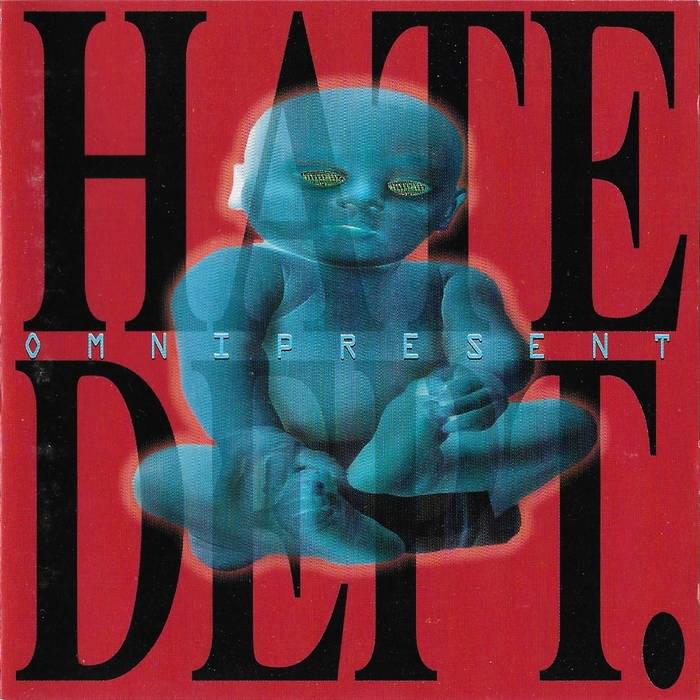
 View Artist