Song Meaning
The lyrics paint a bleak picture of a life trapped in a relentless cycle, suggesting there's no escape from a predetermined path. The opening lines, "Ei sull' oo muuta tietä / Kuin koulutie" (You have no other way / Than the school road) and "Ei sull' oo muuta päätä / Kuin konttoripää" (You have no other head / Than an office head), immediately establish a sense of confinement and limited options. This isn't just about education; it's about a broader societal expectation that dictates a person's entire existence, from their formative years into a sterile, professional future.
The central tension arises from the stark contrast between the imposed reality and a desperate desire for release, even a destructive one. The repeated, almost frantic calls to action – "Koulut kii ja tuleen!" (Schools closed and into the fire!) and "Koulut kii ja mereen!" (Schools closed and into the sea!) – reveal a profound disillusionment. It feels like the only way to break free from the endless "Koulun jälkeen kouluun mennään" (After school, we go to school) is through radical, perhaps even self-annihilating, acts. The line "Onnellista teeskennellään" (We pretend to be happy) underscores the performative nature of this existence, hiding deep dissatisfaction.
The most striking aspect of the writing is its visceral imagery of escape. The idea of closing schools and throwing them into fire or the sea is a powerful metaphor for rejecting the entire system of structured, repetitive life. The lyrics suggest shedding one's humanity, "Nyt on aika unohtaa ihminen / On aika tämän eläimen" (Now it's time to forget the human / It's time for this animal), to embrace a more primal, perhaps less burdened, state. This rejection of societal norms extends to principles, as the narrator advises leaving them for those who "nenät koiranputkia kasvaa" (noses grow wild parsnip), implying a detachment from conventional understanding and growth.
Ultimately, these lyrics resonate because they articulate a feeling of being trapped in a system that offers no genuine fulfillment, only the illusion of progress. The descent from "Koulun jälkeen kouluun mennään" to "Koulun kuiluun pohjattomaan" (Into the bottomless abyss of school) and finally to "Koulun jälkeen hautaan somaan" (After school, into a neat grave) is a chillingly effective depiction of life's trajectory when stripped of authentic purpose. The insistent repetition of "se tulee" (it comes) at the end, tied to the closing of schools, leaves a lingering sense of dread, implying the inevitable, bleak future that awaits.
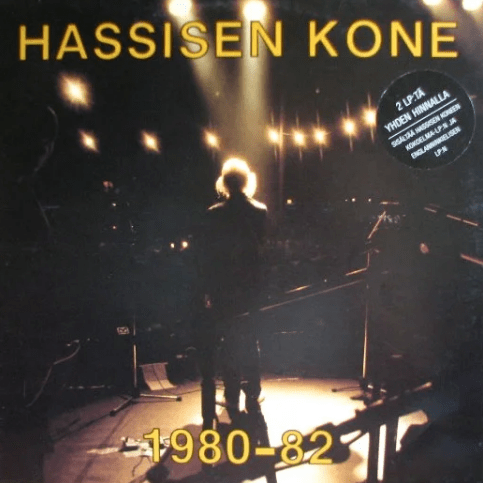
 View Artist