Song Meaning
The lyrics paint a vivid portrait of a formative relationship, centered around a woman who imparted wisdom and spiritual guidance. The narrator cherishes the memory of this "pious woman" who "taught me in her dark room / chapter by chapter all the Torah." This suggests a deep, intimate setting where profound lessons were shared, shaping the narrator's understanding of life and faith. The initial verses establish a tone of reverence and enduring gratitude for these early teachings.
The central tension arises from the dual nature of the lessons learned and the eventual separation. The narrator recalls specific teachings: "Life and death are in the hand of the tongue," and the struggle for self-control, "who is the hero who conquers his inclination." These profound spiritual and ethical lessons are juxtaposed with a growing intimacy, described as "every night we desired jest / Nothing then stood before desire." This hints at a complex dynamic where spiritual instruction intertwined with personal longing, creating a potent emotional undercurrent.
The craft of the lyrics shines in its blending of religious text and personal experience. The narrator quotes scripture and religious principles, such as "you have toiled and found - believe!" but frames them within the context of a deeply personal relationship. The recurring motif of learning "chapter by chapter," "verse by verse," and "every mark and verse" emphasizes the thoroughness of the instruction. The subtle shift from spiritual guidance to shared "jest" and "desire" highlights the human element within this sacred exchange, making the eventual "pain" of separation all the more palpable.
Ultimately, the effectiveness of these lyrics lies in their ability to convey a profound sense of loss tied to a cherished, transformative relationship. The narrator's enduring memory of the "pious woman" and her teachings, coupled with the implied emotional and physical intimacy, creates a powerful narrative of love, learning, and separation. The specific, grounded details, from the "dark room" to the "hand of the tongue," anchor the spiritual lessons in a deeply human context, making the final statement of "pain" resonate with a quiet, enduring ache.
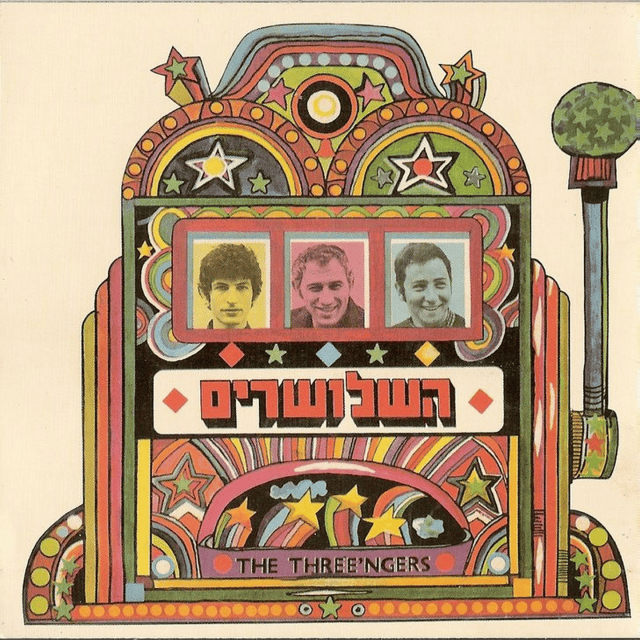
 View Artist