Song Meaning
The "lyrics" for "Dindi" present a unique case. They consist solely of the declaration: "[Instrumental]". This immediately signals a deliberate choice. The absence of words shifts the entire focus.
Without a narrative voice, the listener is left to find meaning purely in the sonic landscape. There's no explicit conflict or emotional tension conveyed through language. Instead, the "lyrics" create a void that the music itself must fill. This absence becomes a central feature, inviting a different kind of engagement.
The craft here is in the intentional omission. By stating "Instrumental," the piece immediately defines its own boundaries and expectations. It's a powerful, minimalist statement that foregrounds the musical composition over any lyrical storytelling. This choice is a form of meta-commentary, directing the listener's attention away from words and towards the interplay of melody, harmony, and rhythm.
These "lyrics" are effective precisely because they are not lyrics in the traditional sense. They function as an instruction, a clear signpost. They free the listener from the burden of decoding verbal meaning, allowing for a more direct, unmediated emotional response to the music. The power lies in this radical transparency, making the instrumental nature of the piece its most compelling lyrical statement.
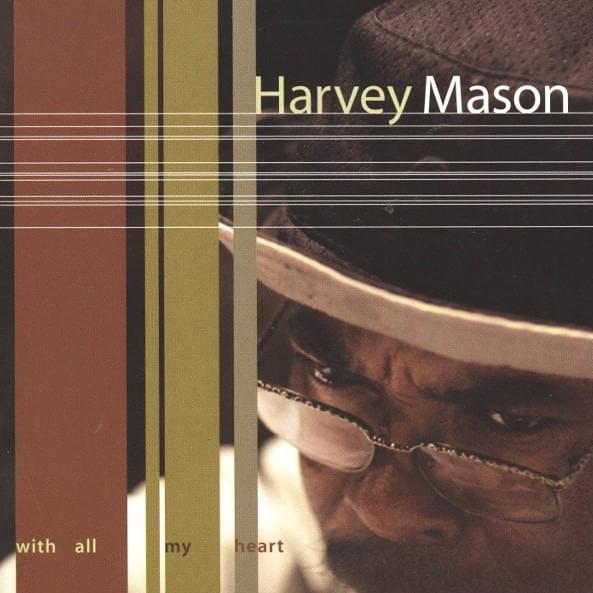
 View Artist