Song Meaning
The narrator longs to express their inner feelings directly, suggesting that words and pretense are ultimately meaningless if true connection fails. They recall a shared wish to see fireflies on a long, twilight evening, a simple desire that now feels loaded with unspoken significance. The desire to be reborn implies a wish for a more honest self, one capable of straightforward affection and the courage to pursue it.
The core tension lies in the gap between the narrator's intense internal world and their perceived inability to convey it, contrasted with the other person's casual dismissal. The repeated plea to be '迎えに来て' (come and get me) highlights a desperate hope for active pursuit, a hope dashed by the other's vague promise of 'またいつか' (someday). This leaves the narrator fixated on the unfulfilled wish for fireflies, a symbol of a fleeting, magical moment they desperately wanted to share.
The lyrics cleverly use the image of fireflies not just as a shared desire, but as a metaphor for a specific, perhaps painful, truth the narrator holds. The line "灯りのついた蛍は十五夜生きてはいられないから" (fireflies with their lights on can't live past the full moon) suggests a fragile, perhaps self-destructive, intensity. The narrator seems to feel they are approaching this same ephemeral state, becoming "蛍に近づいている" (closer to the fireflies), while the other person remains oblivious, "何も知らないで" (knowing nothing).
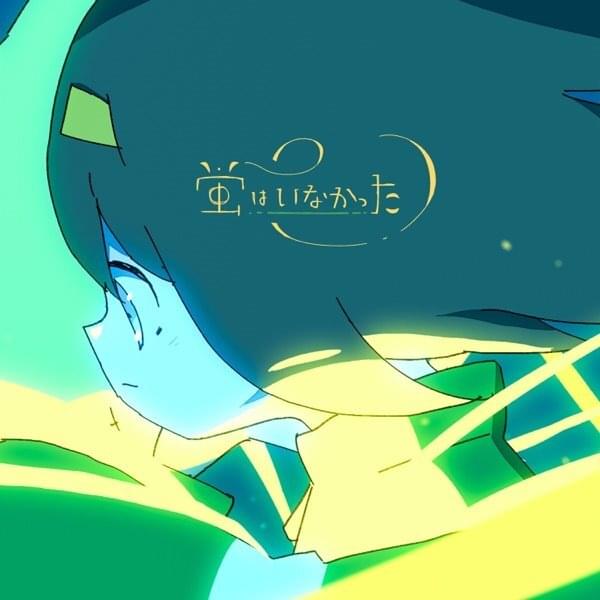
Ultimately, the effectiveness of these lyrics stems from their portrayal of a deeply personal, internal experience that the narrator desperately wants to protect and keep secret. The "こがねのリボン" (golden ribbon) becomes a poignant image of concealment, guarding a hidden truth – "蛍はここにいた" (the fireflies were here) – that only they know. The final, stark declaration, "蛍はいなかった" (the fireflies never came), is a heartbreaking act of self-preservation, burying a profound, perhaps painful, reality to maintain a semblance of normalcy and avoid further vulnerability.
 View Artist