Song Meaning
The lyrics paint a stark picture of isolation and despair, opening with an image of Pharaoh's eyes like a dark hall, immediately establishing a sense of being trapped. This feeling is amplified by the comparison to the " плен цепких рук" (captivity of tenacious hands) and the "одиночества круг" (circle of loneliness), suggesting an inescapable, suffocating state.
The dominant tension arises from a desperate plea for an end to this suffering, articulated through the repeated refrain. The "смех жрецов" (laughter of priests), described as sand hitting the face, evokes a harsh, mocking, and abrasive external force. This external cruelty seems to be the catalyst for the narrator's wish for their "кровь остынь" (blood to chill) and their "город мой - стань пустым" (city to become empty), a desire for emotional numbness and the erasure of their surroundings.
The repetition of the second and third verses, emphasizing the priests' laughter and the plea for the city to empty, underscores the cyclical nature of the narrator's torment. This structural choice reinforces the feeling of being stuck, with no escape from the external taunts and the internal desire for oblivion. The imagery of sand hitting the face is particularly potent, suggesting a painful, gritty, and relentless assault.
Ultimately, the effectiveness of these lyrics lies in their raw, unvarnished depiction of profound alienation. The stark, almost elemental imagery – dark halls, sand, emptiness – combined with the visceral plea for emotional shutdown creates a powerful sense of desolation. It’s a potent expression of feeling overwhelmed and seeking refuge in a chilling stillness.
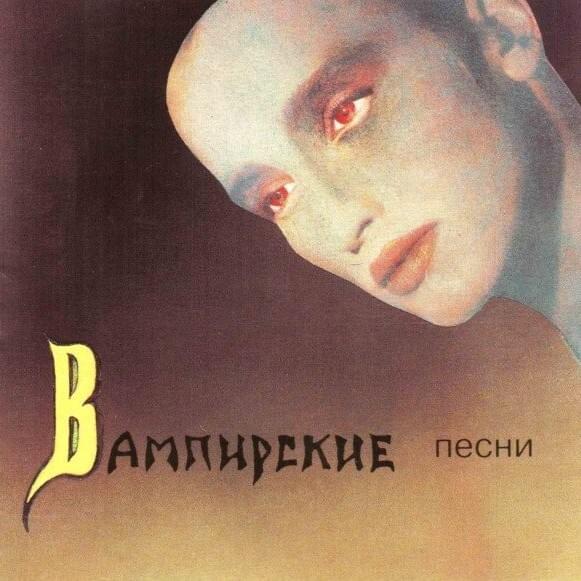
 View Artist