Song Meaning
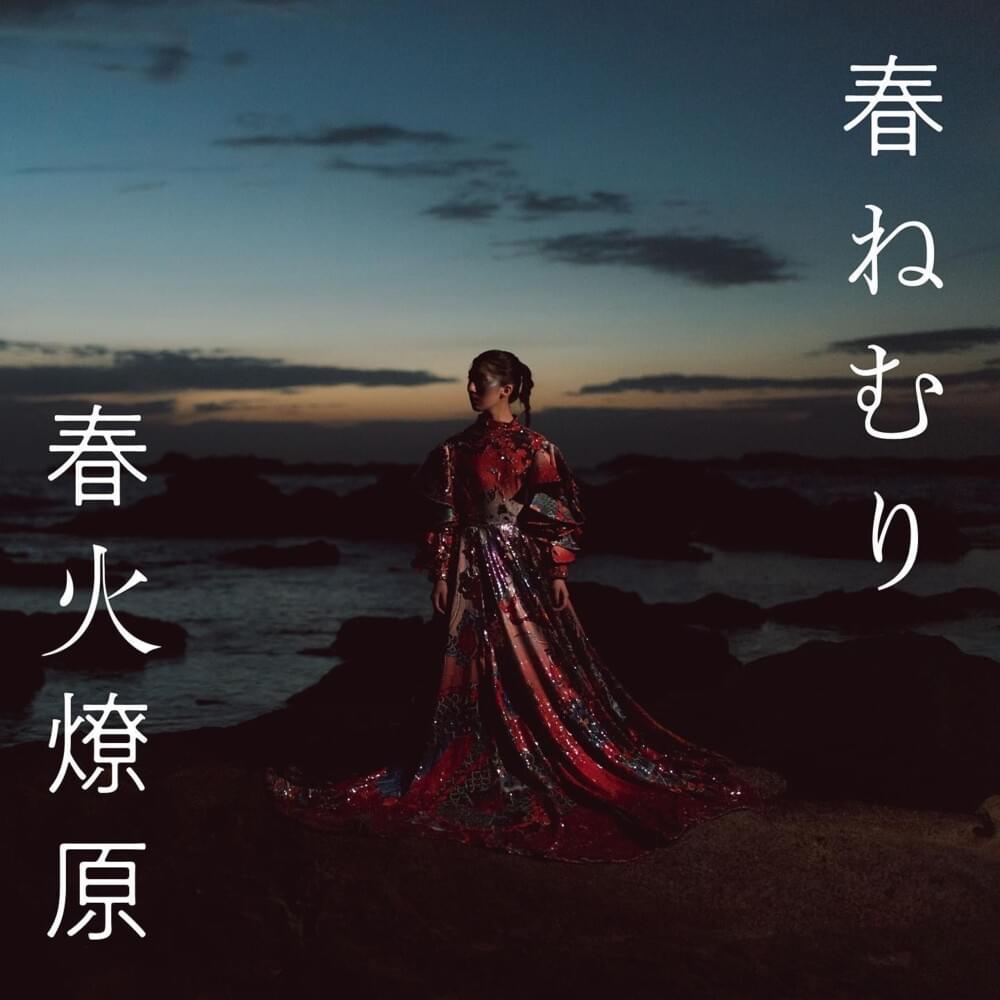
The lyrics paint a picture of profound isolation, transforming a simple "one-room" into a "palace" through the sheer weight of the subject's loneliness. The wind calls to them, and they listen, their "dress swaying" as "blue spills out." This initial scene establishes a mood of quiet, almost regal, despair, where the external world is a distant echo to an internal landscape of solitude.
The core tension seems to lie in the cyclical nature of suffering and the potential for transformation. The act of "connecting the dots" opens a "blinking world," suggesting that even within repetition, there's a possibility for revelation. The "life" is described as a "temporary stitch," implying a fragile, unfinished state, yet the "loneliness standing tall" is presented as a singular, potent force, personified as "singing Pandora."
The imagery of "gauze peeling off" and "scars aching" points to a wound that won't heal, a "rude symbol burned in." Yet, this pain is juxtaposed with the idea of "eternal return" and finding a "sparkling world." The lyrics propose a radical notion: "destruction is the beginning of creation." This suggests that embracing the destructive aspects of existence, the "magma boiling" and "blood spilled," is necessary to move forward.
Ultimately, the power of these lyrics resides in their stark portrayal of pain and their defiant embrace of its transformative potential. The command to "tear open its womb and go to the end" and claim both "paradise and hell" is a potent call to confront the depths of one's experience. The final plea, "Don't let anyone touch you," underscores a fierce, self-contained resilience, born from the very loneliness that defines the subject.
 View Artist