Song Meaning
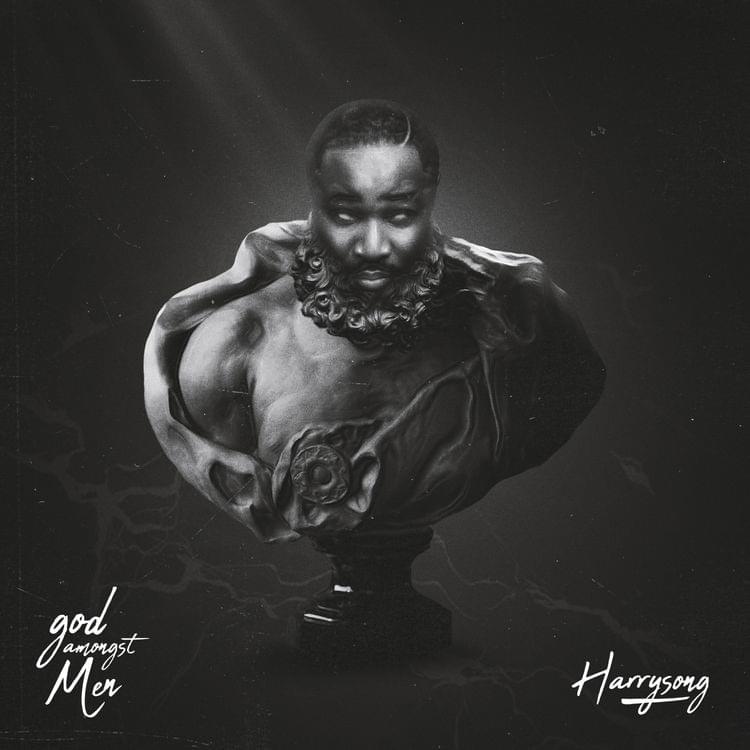
The track opens with a bold declaration: "I'm a god." This isn't just ego; it's a statement of self-possession and destiny, amplified by the repetition of "god amongst men." The narrator asserts a clear understanding of their identity, rejecting external attempts to define or control them. Phrases like "freemasonilluminatti" suggest a feeling of being scrutinized by powerful, unseen forces, yet the narrator remains resolute, believing their path is divinely guided by "the grace of music."
The core tension arises from this internal certainty clashing with external pressures. The narrator acknowledges dislike from others but dismisses it, stating, "you don't have a choice." This defiance is rooted in their perceived divine calling through music, which grants them an unassailable position. The lyrics paint a picture of an artist fighting against an "industry" that sought to manipulate them, to "shadow me into the dark room" and force them to "sell myself."
What's striking is the narrator's framing of self-sacrifice. They distinguish between being forced to sell out and choosing to "give myself," implying an act of dedication rather than compromise. This act of self-surrender to their art is presented as the ultimate act of defiance against those who would confine them. The desire "never wanna see me in the veil" suggests a rejection of hiddenness or obscurity, reinforcing the desire for their true, divine self to be seen.
Ultimately, the power of these lyrics lies in their unwavering self-belief, presented as a spiritual mandate. The narrator positions themselves as an artist chosen by fate, whose talent is a force that cannot be suppressed or dictated by industry machinations. The repeated assertion of being a "god amongst men" serves as an anthem of artistic autonomy and the inherent power found in embracing one's unique calling.
 View Artist