Song Meaning
The lyrics paint a picture of intense, almost overwhelming infatuation, bordering on obsession. The narrator is fixated on a singular "you," questioning their own existence and purpose without this person. The repeated interrogatives – "What could you do if I had you?" and "What would I want to do without you?" – establish a desperate dependence, suggesting the narrator's identity is entirely wrapped up in this relationship. The central emotional tension is the narrator's struggle to understand the other person's perception and feelings, while simultaneously being consumed by their own.
The core of the song's impact lies in its relentless repetition and the stark contrast between the narrator's internal turmoil and the external simplicity they attribute to the object of their affection. Phrases like "You're so good" and "You're so easy" are chanted like a mantra, creating a hypnotic effect. This repetition highlights the narrator's singular focus, but it also feels like a desperate attempt to convince themselves of this ease, perhaps masking a deeper insecurity or a more complicated reality. The lyrics suggest a desire for a connection that feels effortless, yet the narrator's own questioning reveals the opposite.
The most striking craft element is the deliberate ambiguity of "easy." While it's paired with "good," implying a pleasant, uncomplicated dynamic, the context of the narrator's frantic questions and the almost desperate repetition hints at something else. Is the person truly easy, or is it just easy for the narrator to *believe* they are easy because the narrator is so consumed? The spelling out of "N-I-l," "Easy," "S-s-o-n," etc., at the end, breaks the flow and adds a layer of almost childlike, or perhaps ritualistic, emphasis. It feels like the narrator is trying to deconstruct and reassemble the very concept of this person and their connection, searching for a fundamental truth within the overwhelming feeling.
Ultimately, the effectiveness of these lyrics stems from their raw, unvarnished portrayal of intense desire and the way the simple, repeated phrases create a sense of being trapped in a loop of thought. The narrator isn't exploring complex emotions; they are drowning in one overwhelming feeling, and the writing mirrors that by hammering home the same few ideas. It's the sonic equivalent of a single, powerful image that sticks with you long after you've seen it, leaving the listener to ponder the true nature of this "easy" connection.
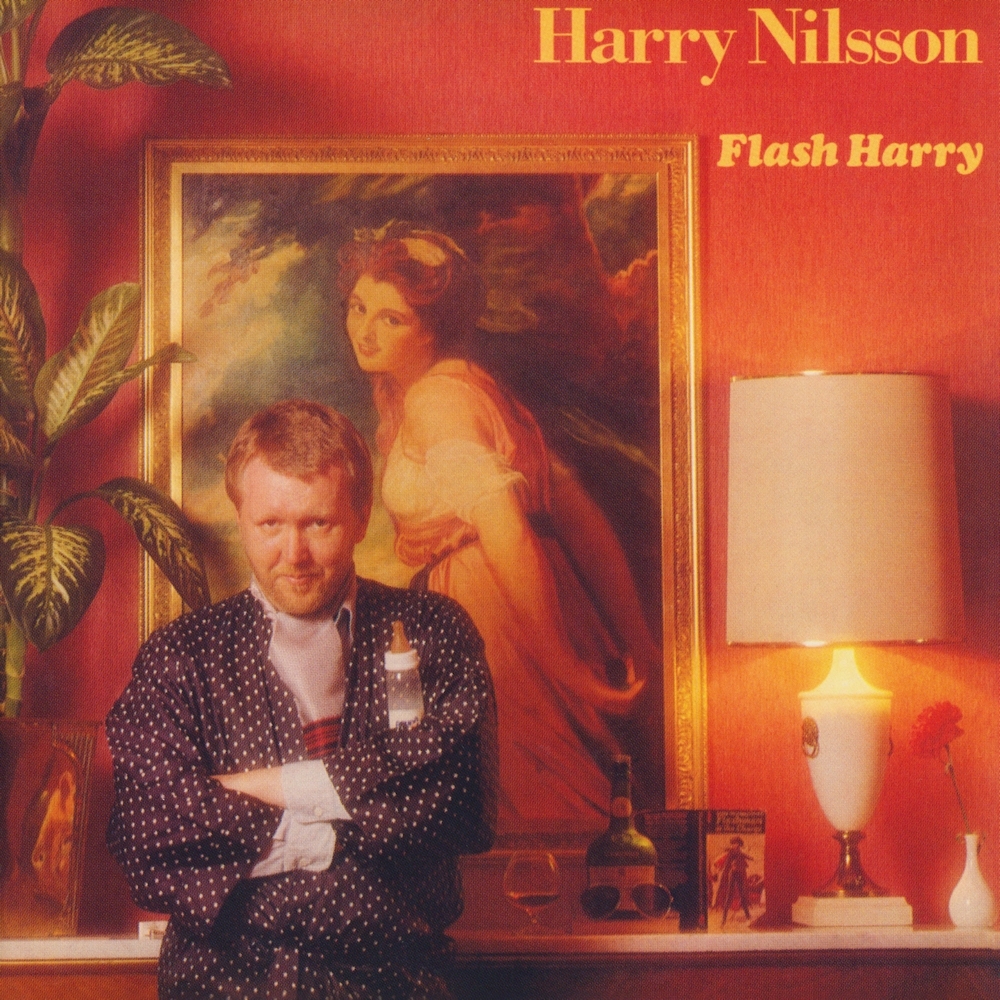
 View Artist