Song Meaning
The narrator feels trapped by a sterile, urban environment that has replaced a natural landscape. The "cold, gray buildings" and "steel and concrete" actively "close in," creating a sense of confinement where open spaces used to be. This manufactured world intrudes on past memories, as "city faces haunt the places" where the narrator once felt solitary freedom. The contrast between the natural "hill" and the imposed structures highlights a profound sense of loss and displacement.
The core tension lies in the narrator's inability to escape this suffocating reality. The repeated "Cowboy, cowboy" refrain underscores a lost identity or a past self that is now inaccessible. The lyrics explicitly state the futility of resistance: "Can't run, can't hide," "too late to fight now," and "too tired to try." This resignation suggests a deep weariness, a surrender to circumstances that have overwhelmed the individual.
The most striking element is the transformation of natural elements into symbols of decay and confinement. The "wind that once blew free" now "scatters dust to the sky," a bleak image suggesting that even the air is tainted and directionless. This mirrors the narrator's own loss of freedom and purpose, as the once-unfettered spirit is now grounded and defeated by the urban sprawl.
Ultimately, the lyrics resonate because they capture a feeling of being overwhelmed by forces beyond one's control. The simple, direct language and the insistent repetition of the "Cowboy" plea create a powerful sense of helplessness. The writing effectively conveys the emotional weight of losing one's sense of self and freedom in a world that feels increasingly alien and constricting.
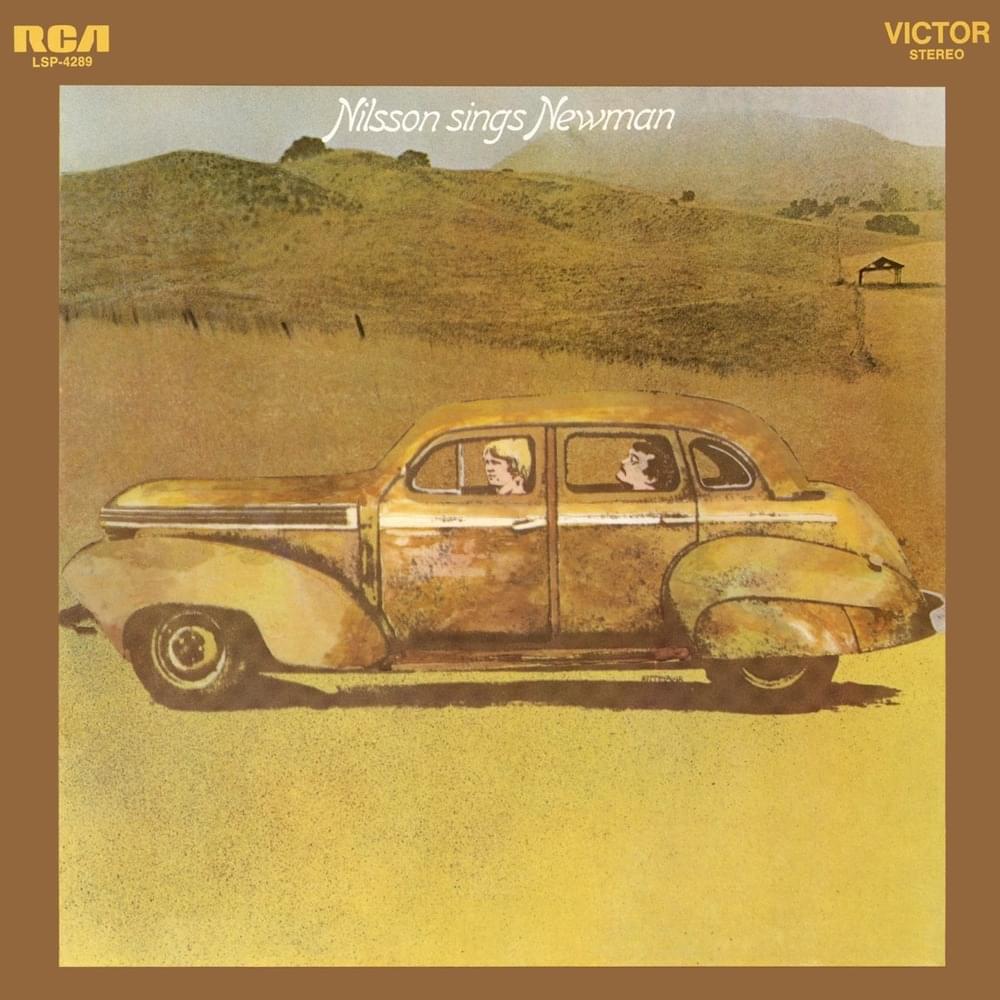
 View Artist