Song Meaning
Harry Connick, Jr.'s rendition of "You're Never Fully Dressed Without a Smile" feels like a lost standard unearthed from a bygone era, a time when accessible wisdom was delivered with a wink and a tap-shoe shuffle. The song's surface simplicity—that a smile completes any outfit—belies a deeper commentary on societal values and the human condition. Connick, with his signature crooner style, doesn't just sing; he *prescribes* a dose of optimism as the ultimate accessory. The lyrics cleverly juxtapose figures from different social strata, the "hobo man" and "dapper dan," the "senator" and "janitor," leveling them with the understanding that regardless of status or attire, a genuine smile is the true mark of completion. This isn't just about looking good; it's about projecting an inner state of well-being.
The lyrics function as a gentle rebuke to superficiality. The references to "Beau Brummelly" and "Saville Row"—icons of sartorial elegance—highlight the futility of focusing solely on external appearances. The crucial line, "It's what you wear from ear to ear, and not from head to toe, that matters," distills the song's meaning to its essence: true style emanates from within. It's a sentiment that resonates particularly well today, in a culture saturated with image consciousness and the relentless pursuit of external validation. Connick’s interpretation doesn't shy away from the inherent vulnerability in choosing to smile, suggesting that vulnerability is itself a strength.
Ultimately, the song, as interpreted by Harry Connick, Jr., transcends its seemingly simple message. It’s a reminder that genuine connection and personal fulfillment are rooted in inner positivity rather than outward displays of wealth or status. The song subtly challenges listeners to consider what they truly value and how they present themselves to the world. A smile, in this context, becomes not just an accessory but a conscious choice, a quiet act of rebellion against a world that often prioritizes the superficial over the substantial. The song’s lasting appeal lies in its timeless message: that perhaps the most stylish thing we can wear is a genuine, heartfelt smile.
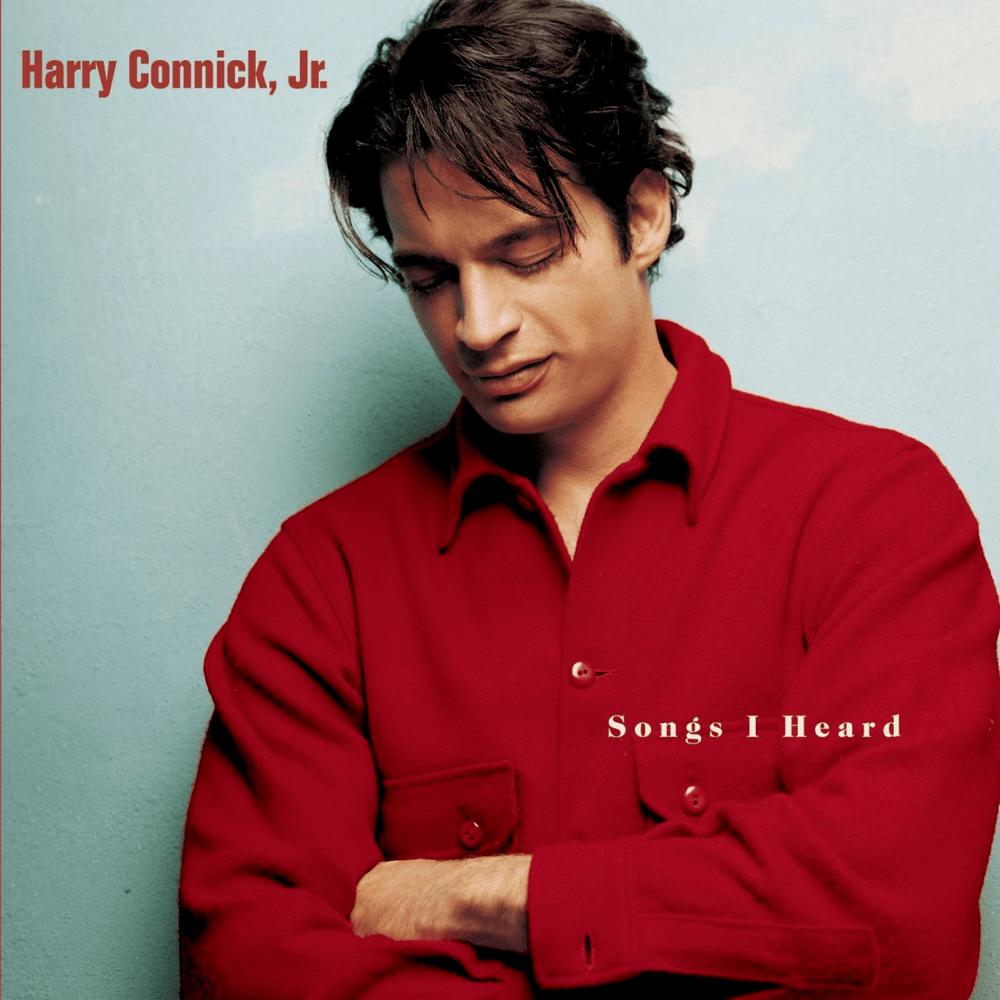
 View Artist