Song Meaning
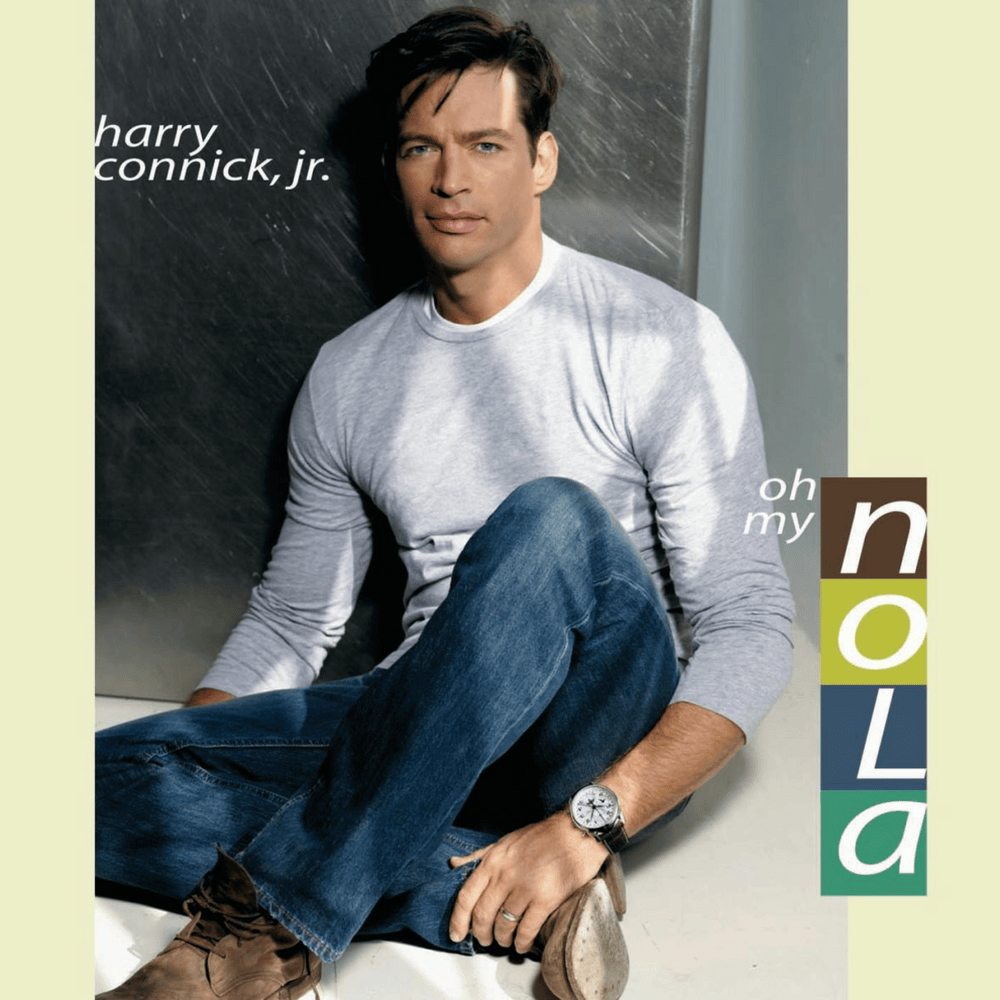
Harry Connick Jr.'s rendition of "Won't You Come Home, Bill Bailey?" isn't just a charming jazz standard; it's a stark, emotionally naked portrait of regret and desperation. Stripped of pretense, the song lays bare the plea of someone grappling with the consequences of their actions. The repeated entreaty, "Won't you come home, Bill Bailey," isn't merely a catchy refrain; it's a raw, almost primal scream born from a place of deep remorse. The singer isn't just missing Bill Bailey; she's haunted by the memory of her own cruelty.
The lyrics offer a glimpse into the relationship's collapse, pinpointing a specific moment of irreversible damage: "Remember that rainy evening / I threw you out with nothin' but a fine tooth comb." This isn't a vague sense of wrongdoing; it's a vivid, humiliating memory. The "fine tooth comb" detail is particularly cutting, suggesting a deliberate act of petty cruelty designed to strip Bill Bailey of his dignity. The singer acknowledges her role in the separation with the line, "I know I'm to blame, ain't that a shame," but the admission feels less like genuine contrition and more like a bargaining chip, a desperate attempt to manipulate Bill Bailey's emotions.
Ultimately, the song's power lies in its vulnerability. The offer to "do the cookin', Bailey, I'll pay the rent" reveals the depth of the singer's desperation. These aren't grand romantic gestures; they are practical, almost transactional promises, suggesting that the relationship has been reduced to a series of calculated exchanges. The repetition of these lines underscores the singer's willingness to sacrifice anything to undo the damage she has caused. Connick's interpretation, steeped in the bluesy undertones of jazz, amplifies the raw emotion, transforming a seemingly simple song into a poignant exploration of regret, accountability, and the enduring pain of lost love. The song meaning transcends a simple lover's quarrel; it's a study in the psychology of remorse.
 View Artist