Song Meaning
Harry Connick, Jr.'s "The Last Payday" isn't just a New Orleans lament; it's a sharp-eyed observation on the delusions we tell ourselves to justify chasing the big score. The song circles around characters on the edge: Danny, the barker dreaming of Bird-like transcendence but stuck hustling; the 'shallow pocket changer' whose greed outweighs his common sense. They're all chasing a phantom jackpot, blinded by the next potential hit to the ultimate cost. Connick isn't merely narrating their downfall; he's dissecting the psychology of risk and reward, the seductive pull of 'one rack away' that keeps them hooked, even when the odds are stacked against them. The lyrics suggest that trouble is inevitable, regardless of luck or careful planning. The idea of 'luck' is a self-serving fantasy, a comforting lie until consequences arrive.
The song's brilliance lies in its subtle shift from specific narratives to a broader commentary. The bridge, with its assertion that 'luck just can't be bought,' serves as a cold dose of reality. It's not just about these individuals; it's a universal truth applicable far beyond Bourbon Street. The final verse, addressing 'young fellas' in an unspecified 'here' (prison? Purgatory? The music business?), underscores this. These characters cling to naive beliefs, expecting a benevolent Santa Claus figure to deliver them. Connick then delivers the punchline: they are right about the 'long white beard' (perhaps a judge, a warden, or even Death), but wrong about the timing. There is no Christmas miracle, only the grim reality of reckoning.
Ultimately, "The Last Payday" uses vivid characters and a bluesy backdrop to explore themes of ambition, delusion, and the inevitable consequences of chasing fool's gold. It's a meditation on mortality disguised as a cautionary tale, a reminder that every gamble carries a price, and sometimes, the ultimate payout is far different than expected. The song's title itself becomes darkly ironic. It is not a celebration but a lament for the end of the line.
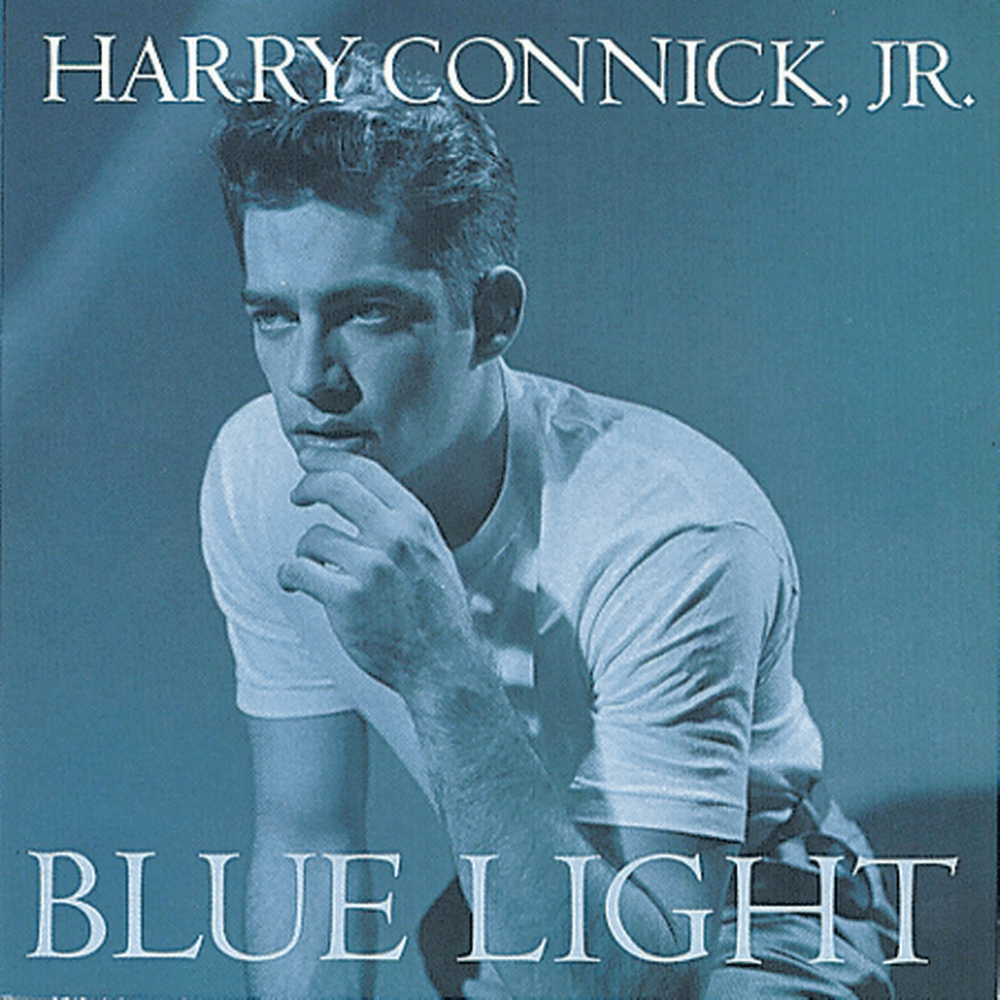
 View Artist