Song Meaning
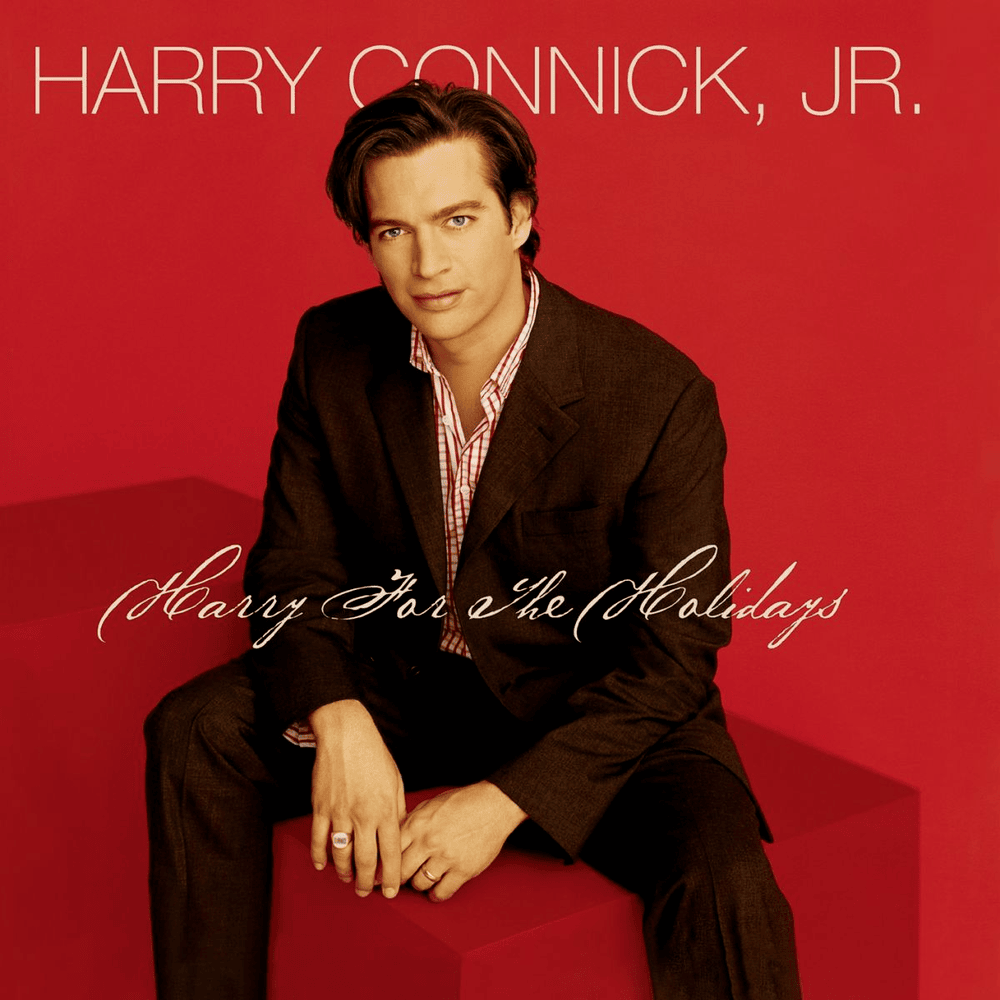
Harry Connick Jr.'s rendition of "Santa Claus Is Coming to Town" isn't just a jolly Christmas tune; it’s a fascinating, if slightly unsettling, exploration of childhood morality and the omnipresent gaze of authority. While the melody bounces with festive cheer, the lyrics paint a picture of Santa as less a benevolent gift-giver and more a cosmic surveillance system. The constant refrain of 'You better watch out' isn't merely a suggestion; it's a thinly veiled threat, suggesting that behavior is constantly monitored and judged. It presents a childhood where actions are not intrinsically good or bad, but strategically performed to avoid punishment and secure rewards. This dynamic cleverly uses a cultural icon to enforce social norms.
The song's focus on Santa's meticulous record-keeping—'He's making a list / And checking it twice'—introduces a bureaucratic element to the magic of Christmas. This isn't about selfless giving; it’s about a calculated system of meritocracy, where good deeds are tallied and bad deeds are noted. In this context, the idea of being 'naughty or nice' becomes a rigid binary, leaving little room for the nuanced realities of human behavior. Connick Jr.'s smooth delivery almost makes you miss the undercurrent of anxiety that runs beneath the surface. He's not just singing about Santa; he's singing about the pressure to conform, the fear of being watched, and the constant need to perform goodness.
Ultimately, "Santa Claus Is Coming to Town," as interpreted by Connick, becomes a cultural mirror reflecting our complex relationship with authority, judgment, and the performance of morality. It’s a reminder that even the most seemingly innocent traditions can carry deeper psychological weight, prompting us to consider the messages we internalize and pass on. The song’s enduring popularity perhaps lies in its ability to tap into these primal anxieties, reminding us that we are always, in some sense, being watched and evaluated. It subtly suggests that even in adulthood, the 'Santa Claus' figure – representing societal expectations and judgment – never truly disappears.
 View Artist