Song Meaning
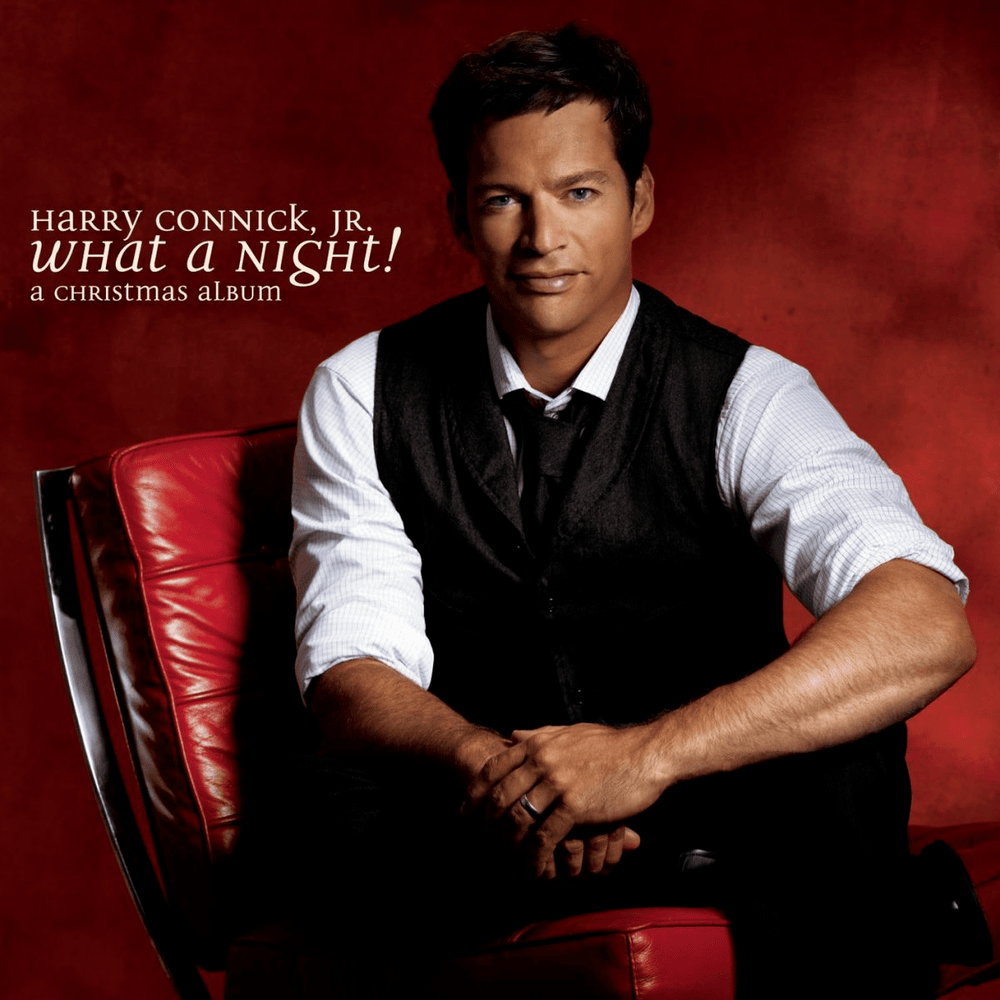
Harry Connick Jr.'s rendition of "Please Come Home for Christmas" isn't just a holiday tune; it's a stark portrayal of Yuletide melancholy. While the world outside is awash in festive cheer – "bells will be ringing," "choirs will be singin' 'Silent Night'" – the narrator is trapped in a private hell of heartbreak and loneliness. The juxtaposition is brutal: Christmas, the supposed season of joy, only amplifies the pain of absence. It’s a familiar theme, of course, but Connick's phrasing, and the song's inherent bluesy structure, underscore the psychological weight of the season for those who are separated from loved ones. The 'sad, sad news' carried by the ringing bells isn't just a passing feeling; it's a deeply felt sense of isolation.
The lyrical simplicity is deceptive. Beneath the surface of wanting a loved one to "come home for Christmas" lies a complex emotional landscape. The narrator isn't merely missing someone; they're grappling with the potential for a future devoid of joy. The plea extends beyond Christmas Day, stretching to "New Year's night," suggesting a desire for reconciliation and a hope that the relationship can be salvaged. This isn't just about Christmas; it's about the fear of facing a lonely future. The lines about "no more sorrow, no grief and pain" highlight the profound impact of the separation, revealing a longing for emotional healing and the restoration of happiness.
Ultimately, "Please Come Home for Christmas," as interpreted by Connick, is a poignant reminder that the holidays aren't always a time of universal joy. For some, they serve as a painful reminder of what's missing. The song's power lies in its unflinching honesty, acknowledging the blues that can creep into even the most festive of seasons. It's a testament to the enduring human need for connection and the profound sadness that accompanies its absence, especially during a time when togetherness is so heavily emphasized.
 View Artist