Song Meaning
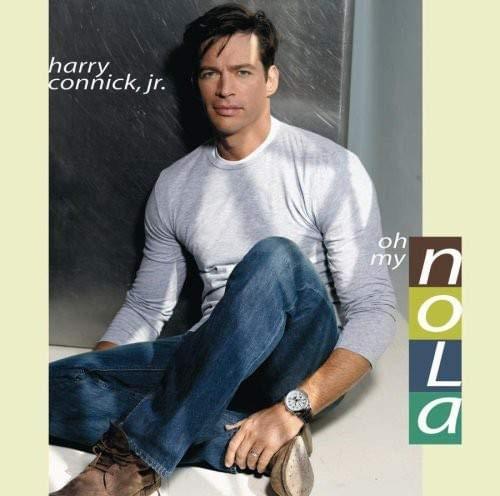
{"song_id": 12108257, "meaning": "Harry Connick, Jr.'s \"Do Dat Thing\" isn't just a song; it's a warm, late-night invocation of New Orleans jazz history. Stripped of elaborate narrative, the core lyric—\"Hey pretty mama, I'm gonna do dat thing\"— functions less as a conventional come-on and more as an earnest plea for connection to a legacy. The 'thing' isn't explicitly defined, which allows it to represent the elusive, ineffable essence of authentic jazz performance itself. It's the improvisational spirit, the soulful expression, and the unspoken language shared between musicians and their audience. In essence, it is a direct request to channel the energy of the masters. What Connick is trying to capture is the soul of New Orleans jazz. The lyrics, while simple, create a space for the improvisational nature of jazz. The spoken interlude transforms the song into a roll call of departed musical heroes.
The spoken word segment provides the true heart of the song, a tribute to a litany of musicians. This recitation isn't mere name-dropping; it's an act of remembrance and gratitude. Connick acknowledges the towering figures who shaped his musical identity, recognizing that their 'thing'—their individual artistry and contribution to the genre—lives on through him and others who carry the torch. The phrase \"It be's that way sometime\" acts as a refrain that acknowledges the cyclical nature of influence and inspiration, and the bittersweet reality of passing time. It is a reminder that while the musicians may be gone, their spirit and 'thing' continue to resonate.
Ultimately, \"Do Dat Thing\" is a meta-commentary on the act of creation within a rich artistic tradition. Connick is not just performing a song; he's actively engaging with the ghosts of jazz past, seeking to embody their spirit and continue their legacy. The repetition of the core phrase, combined with the heartfelt tribute, elevates the song beyond a simple performance. It transforms it into a heartfelt expression of artistic responsibility and a testament to the enduring power of musical heritage. It serves as a potent reminder that every performance is, in some way, a conversation with those who came before."}
 View Artist