Song Meaning
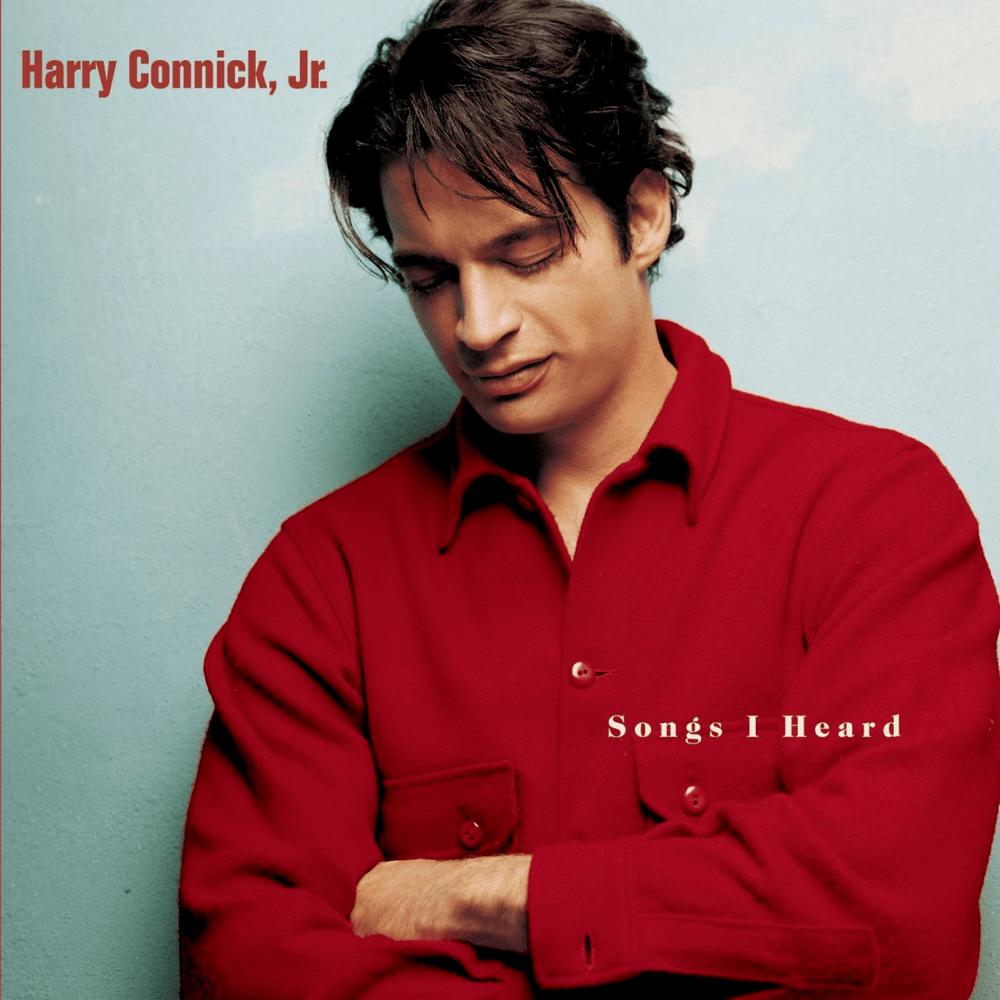
Harry Connick, Jr.'s rendition of "Ding-Dong! The Witch Is Dead" carries a weight far exceeding its seemingly simple, celebratory melody. Stripped of its original context from *The Wizard of Oz*, the song transforms into a stark expression of relief and, perhaps, a darker undercurrent of societal catharsis. The repeated line, "Let the joyous news be spread," hints at a collective experience, suggesting the 'witch' represents a figure of oppression, control, or widespread negativity whose removal brings communal liberation. Connick's jazzy treatment ironically amplifies this sense of release, turning what could be a children's ditty into something almost subversive.
The lyrics, though sparse, are potent in their simplicity. "Below, below, yo-ho" could symbolize a descent from a state of fear or suppression, now replaced with the freedom to "sing, and ring the bells out." The "Ding-dong the merry-oh" refrain, especially with the instruction to "sing it high," reinforces the unbridled joy and almost defiant celebration. The song's meaning, therefore, transcends the literal death of a fictional character; it speaks to the human desire for liberation from forces that hold us down, whether those forces are internal or external. It's a primal scream of joy disguised as a nursery rhyme, made all the more compelling by Connick's sophisticated musical arrangement.
Ultimately, analyzing the lyrics of "Ding-Dong! The Witch Is Dead" reveals a complex emotional landscape. It's not merely a gleeful declaration of victory, but a nuanced reflection on the nature of power, oppression, and the intoxicating release that comes with overcoming them. Connick's interpretation invites us to consider who or what the 'witch' represents in our own lives, and to acknowledge the profound impact of their absence. The song becomes a chilling reminder of how easily joy can be intertwined with a history of suffering, and how readily we celebrate the downfall of those we perceive as wicked.
 View Artist