Song Meaning
Harry Connick Jr.'s rendition of "Change Partners" isn't just a plea for a dance; it's a masterclass in subtle desperation, cloaked in the sophistication of the jazz age. The lyrics, seemingly simple, reveal a yearning that borders on obsessive. The opening lines, dripping with polite accusation ("Must you dance every dance / With the same fortunate man"), immediately establish the narrator's position: an outsider, watching, wanting, and subtly resenting the connection between the woman and her current partner. It's a passive-aggressive seduction, masked by the veneer of social etiquette. He's not demanding; he's merely 'suggesting,' but the suggestion carries the weight of unrequited desire.
The song's tension builds not through overt declarations of love, but through carefully constructed scenarios. The narrator's fantasy unfolds in miniature as he imagines engineering a moment alone with the object of his affection. "I'll tell the waiter to tell him / He's wanted on the telephone" is a wonderfully manipulative detail, highlighting both his resourcefulness and his willingness to deceive. This isn't about a simple dance anymore; it's about disrupting an established dynamic, creating an opening where none organically exists. The lyrics hint at a deeper anxiety: the fear of being overlooked, of being perpetually relegated to the sidelines while someone else enjoys the intimacy he craves.
Ultimately, "Change Partners" taps into a universal vulnerability: the longing for connection and the fear of rejection. Connick's smooth delivery and the song's classic arrangement only amplify the underlying tension. The final line, "You may never want to change partners again," is both a promise and a threat. It speaks to the narrator's belief in his own allure, but also betrays a hint of insecurity. He's not just offering a dance; he's offering an experience so profound that it will irrevocably alter her perception of love and partnership. Whether he can deliver on that promise remains, poignantly, unanswered, leaving the listener to ponder the intoxicating power of desire and the delicate dance of social maneuvering.
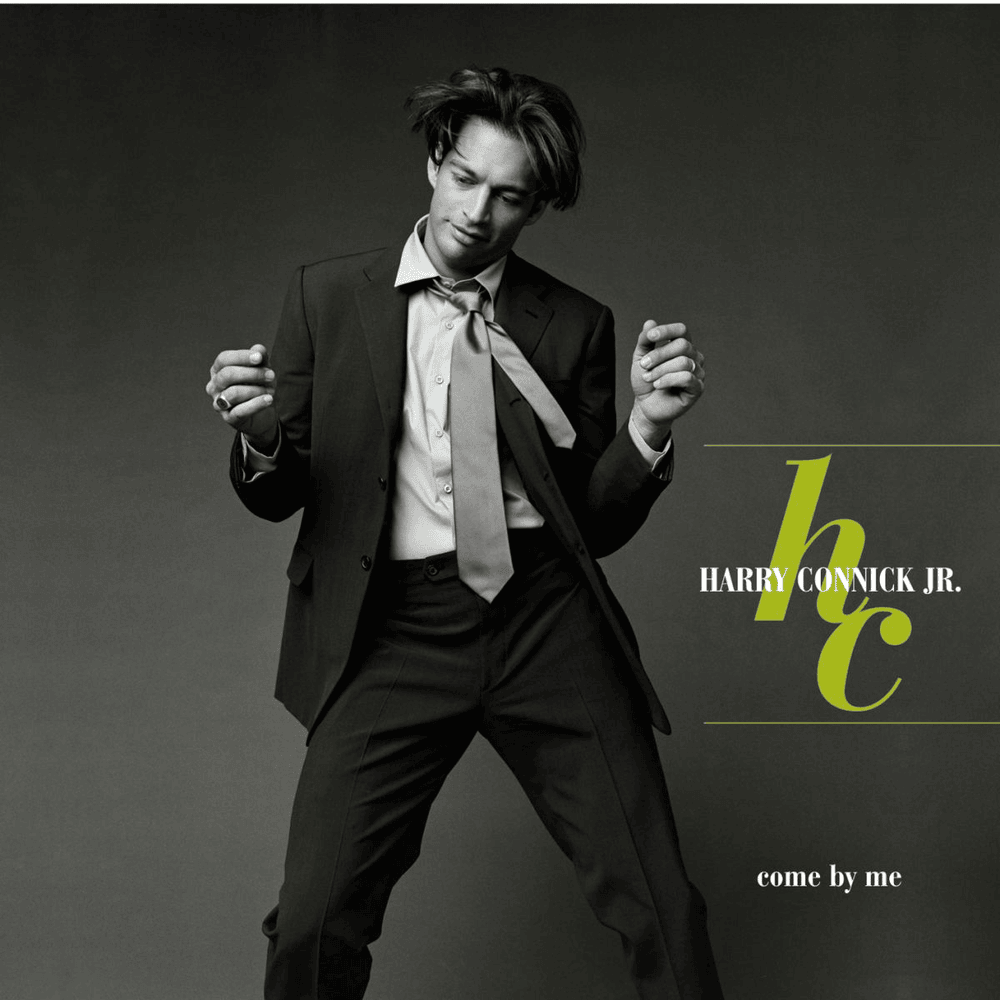
 View Artist