Song Meaning
Harry Connick Jr.'s rendition of "Basin Street Blues" isn't just a stroll down a famous New Orleans thoroughfare; it's a poignant reflection on cultural intersection and the bittersweet ache of belonging. The lyrics, simple yet evocative, paint Basin Street as a melting pot, a place where racial lines blur and a shared identity, rooted in the city's unique sound, takes hold. The opening lines, "Basin Street is the street / Where all the white and the black folk meet," immediately establish this theme of unity amidst division, a concept that resonates deeply within the historical context of New Orleans and American society at large. It's a dreamscape, as the lyrics suggest, where the tangible and intangible—"how much it seems" versus "how much it really means"—become intertwined, leaving the narrator in a state of joyous, if slightly melancholic, reverie. The song subtly acknowledges the complexities of race relations while simultaneously celebrating the unifying power of music and place.
The phrase "land of dreams" hints at the idealized, almost mythical, status that New Orleans holds in the American imagination. It's a place where reality and fantasy often intermingle, where the past is palpable, and where the present is infused with a sense of timelessness. This dreamy quality is further amplified by the narrator's emphatic declaration of being "glad to be, yes-sir-ree, in the land of reverie." It's a conscious choice to embrace the city's magic, to surrender to its intoxicating atmosphere. But the blues, ever-present, remind us that even in this land of dreams, sorrow and longing persist.
Ultimately, the line "I can't lose my Basin Street Blues" encapsulates the song's core meaning. It's not simply about being sad; it's about carrying a piece of this place, this feeling, within oneself. The 'Basin Street Blues' become a part of one's identity, an inextricable link to the city and its complex history. It represents a sense of rootedness and belonging, a connection to a community forged in the crucible of shared experience. These blues are not just a lament but a badge of honor, a testament to the enduring spirit of New Orleans and the power of music to transcend boundaries.
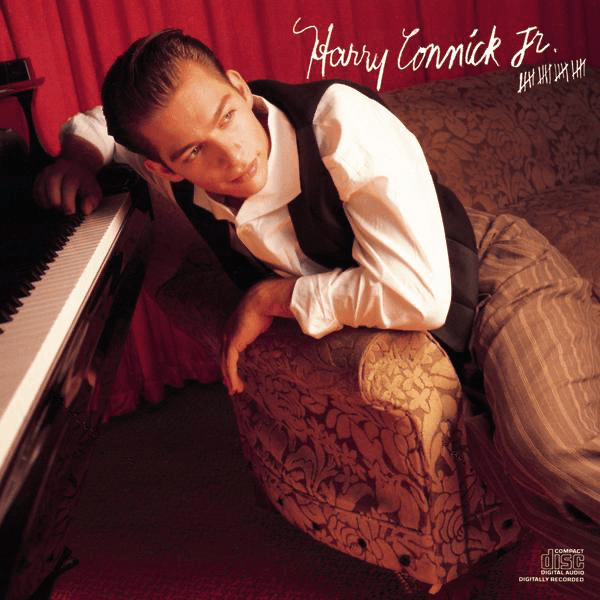
 View Artist